/ factory relocation / reorder review / supplier evidence

Factory Relocation Notice Before Reorder

A supplier's relocation notice should trigger address, capability, sample, certificate, and inspection-plan checks before a reorder.

Factory Relocation Notice Before Reorder can look like a small operational exception when the supplier first raises it. The order may already have a PO number, deposit receipt, packing plan, or booking window. A buyer may want to keep the shipment moving and settle the detail later. That is usually where the file starts to weaken. The practical answer is not to stop every order. The buyer needs a short record that shows what changed, which document controls the decision, and which person approved the next step.

Start by writing the issue in one sentence: the supplier says production has moved to a new address before the buyer places a repeat order. This sounds basic, but it stops the team from chasing the loudest message in the thread. Sales may talk about timing. Logistics may talk about pickup. Finance may talk about payment release. The buyer should define the decision before asking for documents. For factory relocation notice, the decision is whether the buyer can treat the relocated operation as equivalent to the approved supplier file. Put that sentence in the order folder so the later reviewer knows why the file exists.

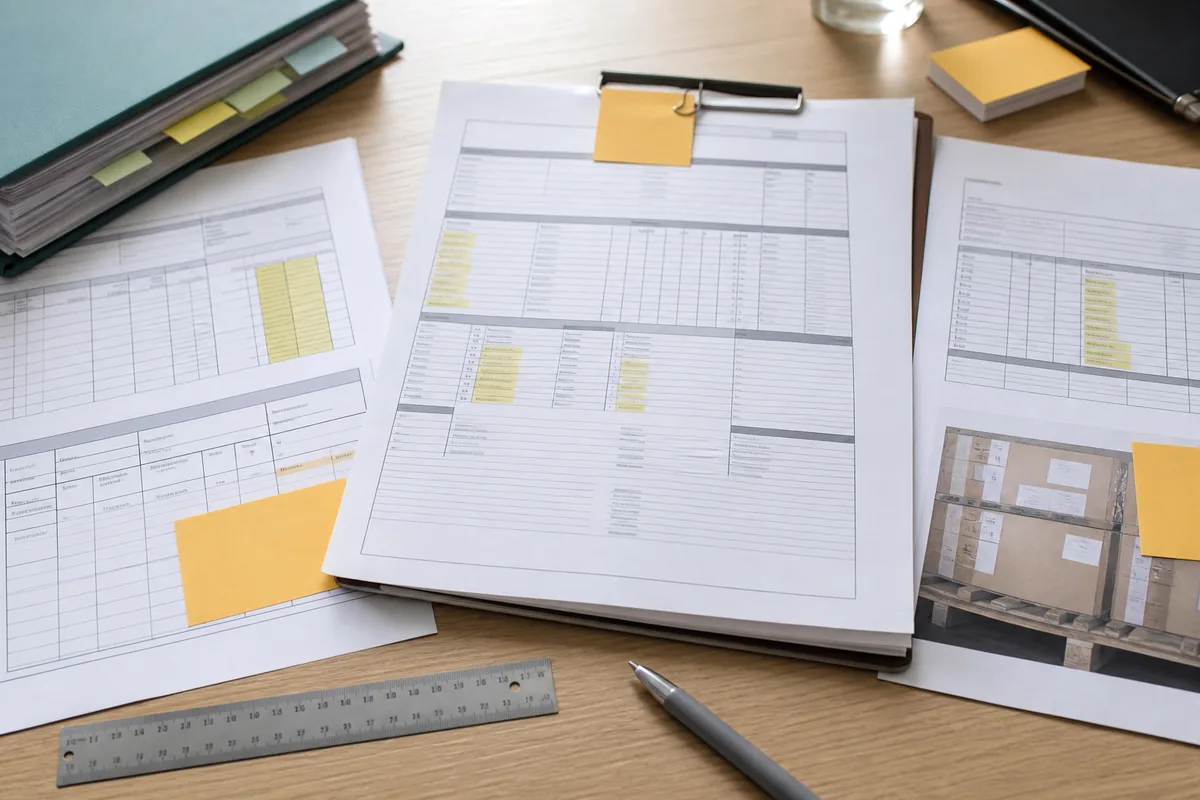
The next step is to rebuild the baseline from records that predate the exception. Use the prior production address, new address notice, business license or lease note, capability photos, certificate address, sample record, and inspection plan. Read those records before accepting a new explanation from the supplier. The old record tells you what both sides already agreed. The new message tells you what someone wants to change. A small buyer can review this without a large compliance process by keeping the comparison narrow: old field, new field, reason, risk, decision, and next control.

A common case is a supplier announcing a move after a strong first shipment and asking the buyer to skip sample or inspection review on the reorder. In a busy team, that case may pass through chat because everyone knows the order. The problem comes later when a broker asks a question, a customer disputes receiving, a charge appears after arrival, or a finance person cannot connect payment to the shipment. The record should help a person who was not in the original conversation understand what happened. If the file only makes sense to the buyer who handled the chat, it is not strong enough.

Ask for evidence that fits the field being changed. If the supplier changes a location, ask for a production or shipment record that names the location. If the supplier changes a party, ask for a relationship note. If the supplier changes product, packing, value, or label details, ask for the document that the broker, warehouse, customer, or payment approver will later read. The supplier does not need to send a long explanation. The buyer needs a document or photo that connects the claim to this PO.

The main risk in this scenario is the buyer relying on old evidence for a changed production site, changed staff, or changed subcontracting pattern. Treat that risk as a control question, not as an accusation. A supplier can have a reasonable commercial reason for the change. A factory may move work to a related workshop. A forwarder may reroute cargo. A bank team may consolidate invoices. Those explanations still need a record. The buyer should avoid approving the change only because the supplier sounds familiar or the order value feels small.

Payment timing deserves a separate line in the note. If the issue affects balance payment, deposit protection, refund leverage, or charge recovery, finance should see the same evidence as sourcing. A buyer should not release money against a file that logistics, product, or compliance would reject. When the order is urgent, use a limited approval: release this step only, for this PO only, with the missing item due by a specific date. That gives the team room to move without turning an exception into policy.

Store the evidence where the next user will look. Save the relocation notice, new-address evidence, sample approval, inspection plan, and any certificate address explanation. Avoid hiding key proof inside screenshots with no file name, chat exports with no date, or email threads that only one person can find. Name files with the PO number, supplier name, document type, and approval date. Keep both rejected and accepted versions when the supplier corrected a record. The correction matters because it shows what the buyer caught before shipment or payment.

A good closeout note has six lines: issue, affected document, supplier explanation, evidence reviewed, buyer decision, and next control. For this topic, the next control is a reorder qualification check for the new address. The note should not sound dramatic. It should read like a working instruction. If the same issue appears again, the buyer can open the old note, improve the PO wording, and ask for the right document earlier on the next order.

The buyer should also decide who needs to know. Some exceptions stay inside the sourcing file. Others should reach the broker, forwarder, warehouse, finance person, marketplace operations team, or customer service lead. Send only the part they need. A broker may need the corrected description, not the whole supplier dispute. A warehouse may need pallet and carton facts, not payment history. The file should support clean handoffs, not create a larger email pile.

The final test is simple: could another person approve, reject, or explain the decision next month without calling the original buyer? If yes, Factory Relocation Notice Before Reorder has become a controlled trade record. If no, the order still depends on memory and supplier reassurance. That is too thin for a live import file, especially when payment, origin, customs value, product claim, or delivery responsibility may come back after the shipment has moved.

Working checklist

  • Compare old and new addresses.
  • Ask what moved and what changed.
  • Check certificates and photos.
  • Review sample or pilot output.
  • Adjust inspection timing.

Sources reviewed