/ 产前会议 / 订单版本 / 生产放行
怎样把产前会议纪要做成订单控制记录
买方、供应商和验货方开完产前会议,群聊里看似已经把材料、包装和日期谈清楚,工厂现场却可能拿着另一版图纸。会议纪要只有在身份、版本、责任和放行条件齐全时,才能给生产人员提供可执行依据。关键问题尚未关闭,或供应商没有书面确认时,采购应暂停投产。
开会前冻结订单资料包
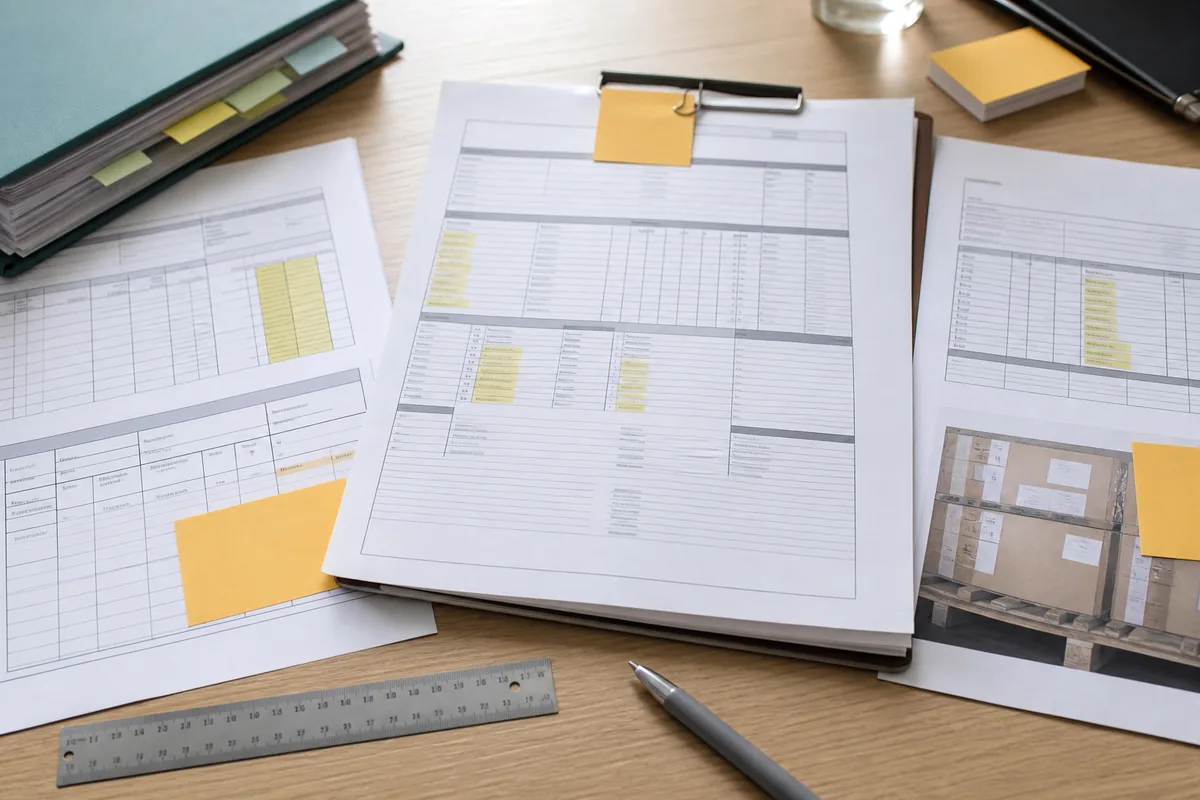
采购把 PO、形式发票、产品规格、图纸、BOM、批准样、包装图稿、检验标准和交期表放入同一资料包,并为每份文件标注编号、版本和日期。会议邀请中列明资料包版本,供应商提前确认能否打开全部附件。
团队不要从散落在邮件、聊天和网盘中的文件临时拼会议内容。供应商仍在等待图稿、材料牌号或客户批准时,资料包将该事项标为待决,并写明它会阻止哪一步。这样可以避免“会议开过”被误当成“订单已具备投产条件”。
把本次订单的身份写完整
纪要首页记录买方、合同供应商、实际工厂、PO 号、产品型号、订单数量、目标市场、计划批次和会议日期。多工厂、多型号或分批交付时,为每个组合单独列行,不能只写一个订单总称。
参会人使用姓名、公司、部门和职责,不只保留聊天昵称。采购主持人负责发布纪要,工程人员确认技术内容,质量人员确认检验条件,供应商指定一名有权接受生产要求的人。外贸业务员转述工厂意见时,纪要仍需实际生产或质量责任人确认。
逐项引用受控版本
产品名称和图片不足以控制生产。会议表格应列出规格书、图纸、BOM、色板、封样、软件、标签和包装文件的当前版本。每项写明文件编号、修订号、发布日期及批准人,附件名称与表格保持一致。
ISO 10007:2017 提供配置管理指南,适用于产品和服务从概念到处置的配置控制。买方可以借用其中的思路识别配置项和变更状态,但该标准不会替双方选择本订单的技术版本。
把样品的作用限定清楚
供应商常说“按样品做”,采购需要说明是哪一件样品、谁批准、保存在哪里,以及样品控制颜色、手感、尺寸还是功能。实物样品无法表达的公差、安全要求、材料成分和测试方法,继续以书面文件为准。
样品与图纸冲突时,纪要不能替团队猜测优先级。工程人员发出澄清或修订文件,供应商书面接受后再放行。旧订单样品可以帮助比较,不自动成为新订单的批准基线。
把材料和工艺落到可核字段
会议记录材料名称、等级、供应来源、颜色、关键性能和允许替代范围。涉及配方、胶黏剂、涂层、电芯或安全部件时,写明更换前需要谁批准、需要哪些样品与测试。供应商说“同等材料”不能解除变更通知责任。
工艺部分记录关键设备、模具、参数窗口、首件、过程检验、特殊环境和分包工序。工程人员确认哪些参数属于工厂内部控制,哪些结果必须交给买方。会议无需复制整套作业指导书,但必须能指向工厂当前使用的受控文件。
用质量计划连接责任与资源
ISO 10005:2018 为质量计划的建立、评审、接受、应用和修订提供指南,适用于产品、过程、项目或合同。它可以帮助团队把订单要求转成行动、责任和资源。该文件属于指南,不要求每份订单采用同一种表格。
会议纪要可以附一页订单质量计划,列出材料确认、首件、过程检查、实验室测试、终检和装柜检查。每个节点记录执行人、输入文件、输出证据、预计日期和放行人。采购据此安排付款与出运闸门。
检验条件要能直接执行
质量人员写清检验批定义、抽样版本、检验水平、AQL 或其他判定规则、缺陷分类、样本数量、测试设备和报告格式。只写“国际标准验货”会让工厂与验货方各自选择不同方案。
ISO 2859-1:2026 规定按属性进行逐批检验的 AQL 抽样方案。团队使用该标准时,要在订单记录中写明版本和具体参数。抽样结果用于该方案下的批次接受判断,不能证明未抽到的每件产品都没有缺陷,也不能替代法规要求的产品测试。
包装、标签和网站信息使用同一产品事实
纪要附上单品包装、内箱、外箱、唛头、条码、警示语和说明书版本,记录装箱数量、尺寸、毛净重和托盘要求。目的市场要求或客户专用图稿未批准时,包装采购与印刷保持暂停。
产品团队还要核对官网和销售资料中的型号、材料、尺寸、产地及认证表述。凯乐丰的制造企业网站与产品资料管理流程可以帮助企业把网页字段与内部产品资料关联起来;质量、法规和订单放行仍由企业对应责任人完成。
交期拆到可以验证的节点
会议记录材料到厂、首件、量产、内部检验、第三方验货、整改、包装、订舱和货好日期。供应商给出一个“预计完成日”时,采购无法判断延期发生在哪个环节,也无法安排客户和物流动作。
每个日期写明依赖条件。例如图稿晚一天是否推动包装完成日,买方延迟确认是否影响原交期。负责排产的人确认产能、班次和其他订单冲突;销售人员不能单独替工厂承诺生产日历。
把待决事项与已确认事项分开
纪要采用“已确认、待补资料、待决定、已否决”四种状态。待决行要有责任人、截止时间和受影响动作。使用颜色可以辅助阅读,但状态文字必须保留,避免打印或导出后丢失含义。
只要关键材料、图纸、安全测试、包装图稿或生产地址仍处于待决状态,生产放行栏保持空白。团队可以批准采购普通原料或安排设备,但要把有限批准的范围写清楚,不能让工厂自行扩大到完整量产。
会议中的变化要走变更流程
会上提出的新材料、结构、数量、工厂、价格或日期不会因写进纪要就自动修改合同。采购识别商业与技术影响,取得有权人员批准,再用 PO 修订、规格修订或正式变更单更新控制基线。
纪要保留提议、理由、影响和处理状态,并链接到正式变更文件。被否决的提议也要留下记录,防止工厂随后按讨论稿生产。供应商不得用“会议上提过”代替买方批准。
确认机制决定纪要能否执行
会议结束后,主持人在约定时限内发出 PDF 或受控协作链接。供应商逐项确认,或明确指出异议。简单回复“收到”只能证明消息送达,不能证明供应商接受全部技术与商业内容。
双方可以采用签字、公司邮箱确认或已约定的电子审批方式。采购保存发送记录、供应商回复和修订历史。多人在聊天中分别确认局部事项时,记录维护人汇总成一个当前版本,并撤销旧版的执行状态。
文件化信息要便于现场找到
ISO 对 ISO 9001:2015 文件化信息的指南说明,组织应维护支持过程运行的资料,并保留过程按计划执行的证据。文件可以采用多种媒介,控制重点在适用、可用、受保护和可追溯。
买方把最终纪要与 PO 资料存入订单目录,工厂把对应版本放到排产、领料、首件和检验岗位。质量人员在现场抽查操作员拿到的版本。办公室文件正确而车间仍使用旧图纸时,投产条件仍未满足。
设置明确的生产放行栏
纪要末尾列出采购、工程、质量和供应商四方状态。订单责任人检查关键待决项、正式变更、付款条件和供应商确认,再签发生产放行。不同角色的批准范围要写清,工程批准图纸不代表财务已经批准订金。
放行可以限定到首件、试产数量或某一批次。供应商在完整放行前已经生产时,采购记录实际数量、原因和风险承担,不倒签会议纪要去掩盖先生产后批准。
出现这些情况应暂停投产
- PO、图纸、BOM、样品或包装存在两个可执行版本。
- 实际工厂、生产地址或分包工序没有确认。
- 关键材料替代范围、测试或批准责任仍为空白。
- 供应商拒绝确认纪要,或只由无权人员回复。
- 抽样、缺陷分类和验货批次无法让验货方执行。
- 会议变化尚未写入正式订单或规格修订。
- 生产现场拿不到与买方档案一致的当前文件。
采购负责订单与商业版本,工程负责产品和工艺,质量负责检验及放行证据,供应商生产负责人确认现场执行。团队关闭阻断事项后再签发范围明确的放行记录。
工作清单
- 冻结带编号和版本的会前资料包。
- 记录订单、产品、批次、工厂和参会人身份。
- 逐项列出规格、材料、样品、工艺和包装版本。
- 为质量节点、检验方案和交期指定责任人。
- 分开已确认、待决、否决和有限批准事项。
- 把会议变化转成正式修订文件。
- 取得供应商确认并检查现场使用版本。
- 由各责任人签发有范围的生产放行。
本文参考的一手资料
- ISO 9001:2015:质量管理体系要求用于说明过程控制、客户要求和质量管理体系的基础边界。
- ISO 10005:2018:质量计划指南用于说明质量计划的建立、评审、接受、应用和修订。
- ISO 10007:2017:配置管理指南用于说明产品配置项、版本和变更状态的管理思路。
- ISO:ISO 9001:2015 文件化信息指南用于说明维护运行资料、保留执行证据和文件媒介边界。
- ISO 2859-1:2026:按属性检验的逐批抽样方案用于说明 AQL 抽样方案及其批次接受用途。
适用边界:本文提供产前会议和订单资料控制方法,不构成合同、质量认证或产品合规意见。ISO 指南不会让会议纪要自动成为合同修订;文件效力、签署方式和放行责任应按双方合同、企业权限及适用法律确定。