/ 航空运输 / 锂电池 / UN 38.3
锂电池产品空运前怎样核对文件
一批带充电电池的定制礼品已经装箱,供应商在发票上只写“电子配件”,并发来一份没有型号的 SDS。货代订舱时追问电池属于单独运输、与设备同箱还是安装在设备内,要求提供 UN 38.3 试验概要和瓦时数。此时再找电芯资料,交期、包装和运输方案都可能重做。
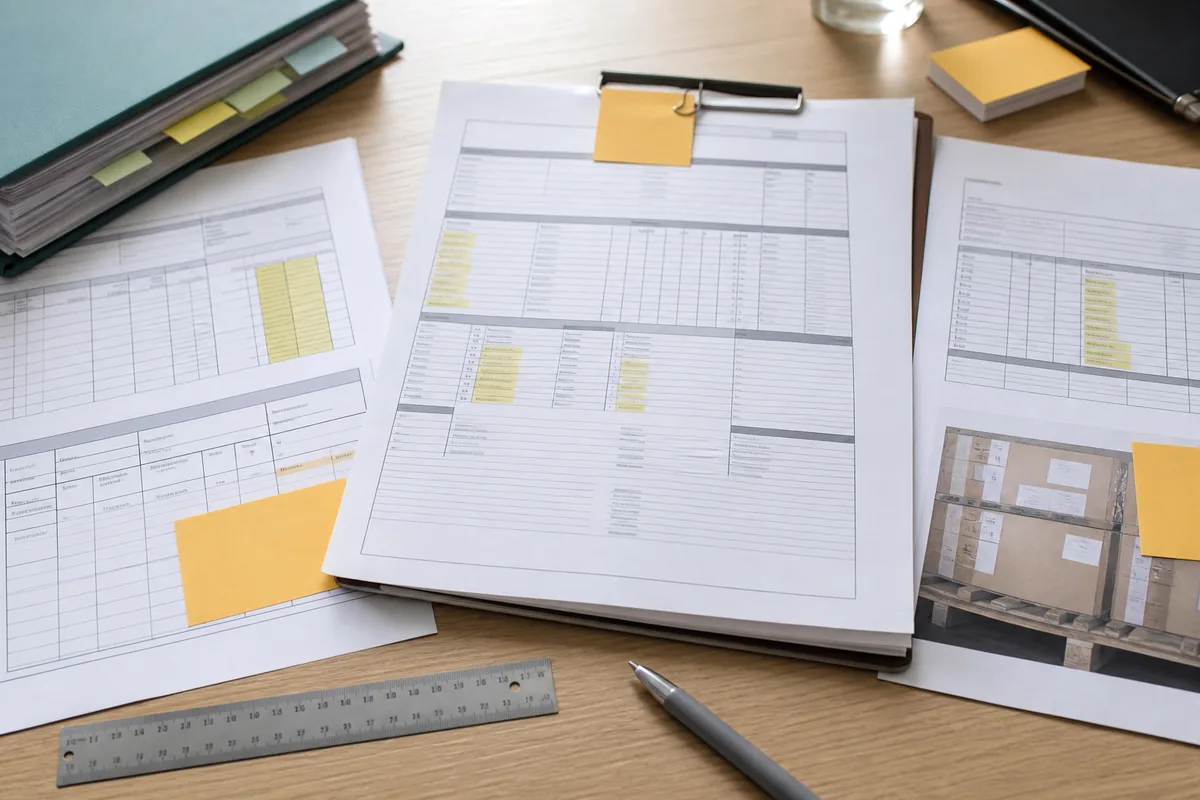
在下单时建立电池身份表
采购要求供应商为每个带电产品填写电芯制造商、电芯型号、电池包制造商、电池包型号、化学体系、额定电压、额定容量、瓦时数、锂金属含量、重量、数量和安装方式。成品 SKU 与电池型号建立一对一或一对多映射。
锂离子电池用额定容量(Ah)乘以标称电压(V)计算 Wh。标签写 5,000 mAh、3.7 V 时,先换算为 5 Ah,再得到 18.5 Wh。采购把计算值与电池标签、规格书和试验概要互相核对,不从产品宣传的输出功率推算。
纽扣电池、软包电芯、可更换电池、充电宝和备用电池不能都归为“内置电池”。IATA 2026 指南把充电宝按电池本身分类,适用时分配为 UN 3480 或 UN 3090;它不会因为和手机放进同一纸箱就变成安装在设备内。
运输配置决定后面的规则路径
物流负责人按照实际包装判断电池单独运输、与设备包装在一起,还是安装在设备内。锂离子和锂金属体系各有对应 UN 编号与包装指令;电池是否超过容量门槛、每包数量和净重也会改变要求。
供应商的产品名称、商业发票、装箱单、货代问卷、订舱品名和包装照片采用同一种运输事实。发票写“蓝牙音箱”,问卷却选择“无电池”,或电池另装在附件袋却申报为“contained in equipment”,物流负责人暂停订舱。
IATA 指南说明,符合某些 Section II 条件的电池可能免于部分标签、包装或文件要求,但仍属于受管制的危险品。团队不能把“无需正式危险品申报”改写成“普货”。
UN 38.3 试验概要必须对应具体型号
联合国《试验和标准手册》第 38.3 节规定锂电芯与电池的运输试验。供应商提供试验概要时,采购核对电芯或电池制造商及联系方式、试验实验室、报告编号、报告日期、锂离子或锂金属类型、质量、Wh 或锂含量、外形描述、型号、试验结果、采用的手册版本以及签署人。
试验概要上的型号要覆盖本票标签和规格书。只有电芯报告时,采购还要判断组装后的电池包是否属于已经覆盖的类型;串并联方式、保护板、外壳或关键材料发生影响试验结果的变化时,由制造商和具备资质的专业人员评估是否需要重新测试。
采购保存可读的完整文件,不能只留供应商在聊天中截取的“PASS”页面。报告编号应能追溯到试验概要,制造商声明也要写明订单、产品和电池型号。
SDS 只承担它能证明的部分
供应商常把 SDS 当作空运证书。IATA 危险品问答指出,物品运输并不普遍要求 SDS,很多 SDS 也无法准确确定运输分类和正式运输名称。SDS 可以补充成分、危险性和应急信息,不能代替 UN 38.3 试验概要、分类依据或包装证明。
采购遇到内容矛盾时,把电池标签、规格书、试验概要和 SDS 一起退回供应商。制造商或合格实验室说明哪个字段错误、签发修订版;货代没有义务替供应商猜测电池体系与容量。
所谓“海运鉴定书”“航空运输条件鉴别报告”或供应商承诺书是否需要、有效期多长,由起运地、承运人和当前运输规则决定。文件名称相似,不代表可以相互替代。
采用当前有效的航空规则
ICAO 技术细则把《国际民用航空公约》附件 18 的原则落实为国际航空危险品运输细则。当前 2025—2026 版适用于 2025 年 1 月 1 日至 2026 年 12 月 31 日的相关运行。
IATA 2026 电池指南依据 ICAO 2025—2026 技术细则和第 67 版 IATA DGR 编写,并提醒读者指南本身不能作为法规合规的唯一依据。危险品专业人员要查阅适用的完整规则、补遗、始发国与目的国差异以及运营人差异。
货代去年接受过同一产品,不能证明今年仍可按原方案运输。采购在每次订舱前记录所用规则版本、航线、承运人、服务类型和货代确认日期。
荷电状态按配置和当前规则确认
单独运输的锂离子电池通常受较低荷电状态限制。IATA 2026 指南还反映了与设备同箱电池的荷电状态要求变化。采购不凭供应商一句“出厂只有半电”放行,要求生产方说明测量方法、控制范围、记录批次和抽检结果。
安装在设备内、与设备同箱、单独运输的要求并不相同,国家或运营人也可能增加限制。物流负责人把准确配置交给受训的危险品人员和承运人,取得本票书面结论。
需要主管机关批准的例外,由有权主体办理。供应商、采购或普通货代不能自行把超过限制的电池降格处理。
包装要控制短路、移动和意外启动
包装方案显示电极如何防短路,电池如何固定,设备开关如何防误触,内外包装如何承受正常运输。裸露端子、松散备用电池、金属配件与电池混放或产品在箱内自由移动时,质量和物流负责人要求返工。
每种配置记录内包装、外箱规格、每包电池数量、净重、总重和包装测试依据。需要 UN 规格包装、跌落或堆码能力时,供应商提交包装标记、测试或供应商资料,仓库核对实物。
美国 PHMSA 的托运人指南按电池类型、配置和尺寸提供场景化包装路径,可用于涉及美国法规的业务。其他起运地和航线仍须依据当地主管机关、ICAO/IATA 规则及承运人要求确定。
破损、召回和原型电池另行处理
鼓包、漏液、过热、跌落、进水、召回或已知存在安全缺陷的电池不能与正常库存共用文件路径。仓库隔离实物,记录型号、批次、症状、发现时间和处置责任人,不安排普通航空运输。
原型或低产量电池、返修品、废旧电池和送检样品也可能适用不同条件或批准程序。业务负责人在报价与交期中单独识别,不把它们塞进量产货的装箱单。
供应商更换电芯后沿用旧报告时,采购冻结带电版本。新旧电芯的制造商、型号、容量、尺寸、化学体系和保护方案经过比较,专业人员确认试验与运输文件覆盖后再恢复。
标记、标签和文件与实物一致
物流负责人根据分类与适用条款确定锂电池标记、危险性标签、仅限货机标签、包装规格标记和托运人危险品申报。标签尺寸、颜色、UN 编号、联系电话及旧标签遮盖情况都在装箱后拍照。
空运单、危险品申报、商业发票和装箱单使用能够准确说明货物的名称与数量。商业文件可以保留销售品名,但不能以“礼品”“电子配件”隐藏电池;代理需要的运输描述由受训人员填写。
文件表标明哪些记录随货、哪些交给货代、哪些留在订单目录。签字人、日期、页数和版本都可辨认,过期草稿不得进入承运人审核包。
订舱确认要落到具体航班方案
采购在量产前把产品与电池资料交给货代预审,物流在出货前提交最终数量和包装。书面问答覆盖 UN 编号、包装指令与章节、客机或货机限制、每包限量、荷电状态、标签、申报、培训、航空公司差异和中转限制。
IATA 明确指出,航空公司可以采用高于通用规则的接受条件,也可以拒载某项货物。货代说“规则允许”仍缺少运营人接受;订舱确认应写明承运人、路线、服务、货物配置和有效时间。
多家供应商在集运仓拼货时,仓库逐票识别带电产品。外箱合并或重新包装会改变每包数量、净重和标签位置,集运仓必须获得批准方案,不能沿用工厂单箱结论。
变更和延误保留决策记录
航空公司拒载、航线改变或转为海运时,物流负责人记录拒绝原因和替代方案。运输方式改变后重新核对包装、标签、文件、保险、时效与费用;空运文件不能直接充当海运放行依据。
电池资料补不齐时,业务可以评估拆除电池后运输,但产品、包装、客户承诺和目的地安装流程都要重审。工厂不能在没有受控指示时临时拆装电池。
订单目录保留电池身份表、标签照片、UN 38.3 试验概要、规格书、分类问答、包装方案、申报、承运人接受和最终运输单据。下次返单先核对电池是否变更,再决定能否复用。
各岗位共同守住订舱门槛
采购负责人确认供应商和电池型号,产品或质量负责人核对规格与变更,受训的危险品人员确定分类包装和文件,物流负责人取得承运人接受,仓库按批准方案装箱贴标。
电池型号不明、试验概要不对应、Wh 或锂含量矛盾、运输配置选错、荷电状态无记录、包装未验证、标签与申报缺失、承运人尚未接受、实物鼓包或召回时,团队暂停装箱、提货和空运放行。
企业可以通过产品与运输资料流程关联电芯型号、UN 38.3 文件、SDS、包装配置、标签照片和承运确认,避免业务人员使用过期附件。锂电池运输仍应由具备相应训练和权限的专业人员,依照当前规则、主管机关及承运人要求执行。
锂电池空运文件表
| 产品身份 | 成品 SKU、电芯与电池制造商型号、化学体系、电压容量、Wh 或锂含量 |
|---|---|
| 试验分类 | UN 38.3 试验概要、报告号、运输配置、UN 编号、包装指令和适用章节 |
| 包装申报 | 荷电状态、短路与移动防护、每包数量净重、标签、申报和空运单 |
| 订舱放行 | 规则版本、国家与运营人差异、货代预审、承运人路线、变更和拒载记录 |
交货代前检查
- 本票电芯、电池包和成品 SKU 已经对应。
- UN 38.3 试验概要包含完整字段并覆盖实际型号。
- 运输配置、容量、UN 编号、荷电状态与包装方案一致。
- 标签、申报、空运单和实物照片采用批准版本。
- 受训人员复核当前规则,承运人已接受具体路线与数量。
参考来源
- 联合国欧洲经济委员会:《试验和标准手册》第八修订版及修正案用于 UN 38.3 锂电池试验、型号变化和试验概要字段的基础要求。
- 国际民用航空组织:危险品航空安全运输技术细则用于确认 ICAO 技术细则的法律层级、用途和 2025—2026 版有效期。
- 国际航空运输协会:2026 年电池运输指南用于电池配置、Wh、荷电状态、包装指令和 2026 DGR 路径说明。
- 国际航空运输协会:危险品航空运输问答用于 SDS 的证据边界、运营人差异和承运人有权增加接受条件的说明。
- 美国管道与危险材料安全管理局:锂电池托运人指南仅用于涉及美国法规时,按电池类型、配置和尺寸选择包装路径的参考。