单证包
货物离厂前怎样建立出货单证包
汇总订单、发票、装箱单、运输指示与审核记录。
货物离厂后,客户、货代、报关代理和仓库都依赖同一组产品与包装数据。资料整理得越晚,数量、重量、产品描述和版本之间越容易出现无法解释的差异。
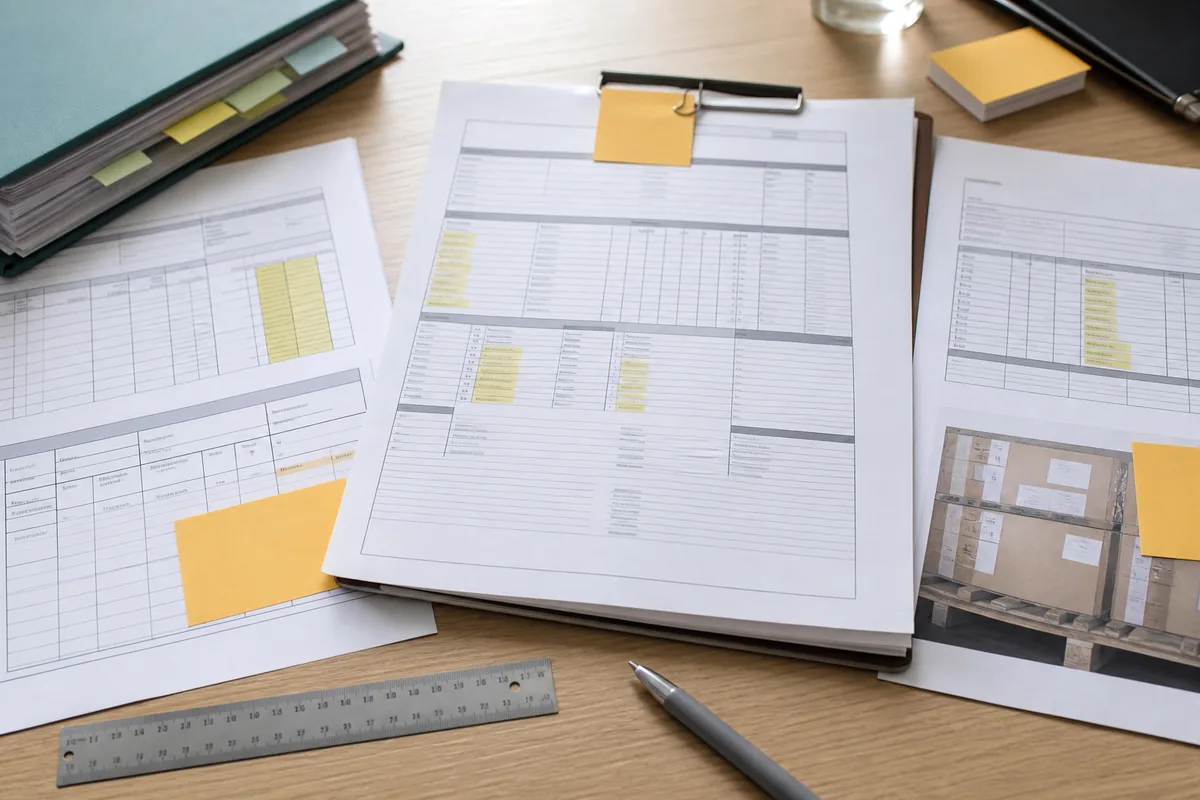
产品型号、材料、用途、规格和包装方式应有一个可维护的主记录。商业发票从中取产品描述和价值,装箱单取数量、箱号、净重、毛重和尺寸,货代再据此安排运输。不同文件可以承担不同用途,但不能描述成几种互不相干的货物。
企业官网和产品资料也会影响客户理解。页面写“整机”,发票只写“配件”;官网标注某种材料,报关资料使用另一种笼统名称,客户和代理都会追问。公开内容不必照抄报关字段,却要避免与正式资料正面冲突。
出运前由物流或单证负责人汇总当前订单、商业发票、装箱单、运输指示、产品说明和必要的检验记录。销售确认客户与订单,仓库确认件数和包装,财务确认价值,工程或合规人员确认产品描述和技术材料。每个人只批准职责范围内的内容。
箱数、重量、标签或产品版本仍在变化时,应暂停最终单据签发和发运放行。修改完成后保留旧版,说明变更来源和受影响文件,再向货代、报关代理及客户发送同一版资料。仅在聊天中说“请用新版”容易留下多个并行版本。
报关代理询问 HS 编码、用途、材料、成分或价值时,企业先确认问题针对哪个产品和哪一票货,再从规格、说明书、订单、发票和生产资料中提取支持信息。供应商可以提供事实和建议,但最终归类、申报和法域判断由相应责任方完成。
凯乐丰在制造企业官网和资料系统项目中,会帮助企业统一产品名称、型号、下载文件和询盘字段,并为后续报价、单证或 AI 检索保留清楚的数据来源。公开页面越接近真实产品主数据,业务团队后续整理文件的成本越低。
单证包
汇总订单、发票、装箱单、运输指示与审核记录。
装箱单
核对产品、数量、箱号、包装、重量和尺寸。
重量尺寸
把工厂、仓库和货代测量结果放回同一批货比较。
编码说明
先整理产品用途、材料、结构和技术资料。
答复记录
记录问题、资料来源、答复人、版本与发送时间。
出货审核
让销售、仓库、财务和物流分别完成职责确认。
产品证据
从规格、订单、发票和生产资料提取可核对事实。
补充资料
先确认问题范围,再提供与本票货物对应的材料。
货代档案
保留报价、订舱、提货、改单、费用和交接记录。
产品描述
用可识别的品名、用途、材料和型号代替空泛称呼。
变化记录
连接样品、量产、检验、包装和最终出货版本。
验货照片
用订单、型号、批次、位置和时间保持照片可追溯。