/ 低报发票 / 海关估价 / 付款证据
供应商提出低报发票时怎样处理
供应商把低值发票称为节税、清关便利或行业惯例,不能改变交易已经发生的事实。买方应拒绝制作与实际交易不符的发票,暂停相关付款、出货和申报指示,保留供应商原话,再由目的市场的进口商与报关专业人员依据真实资料确认申报价格。
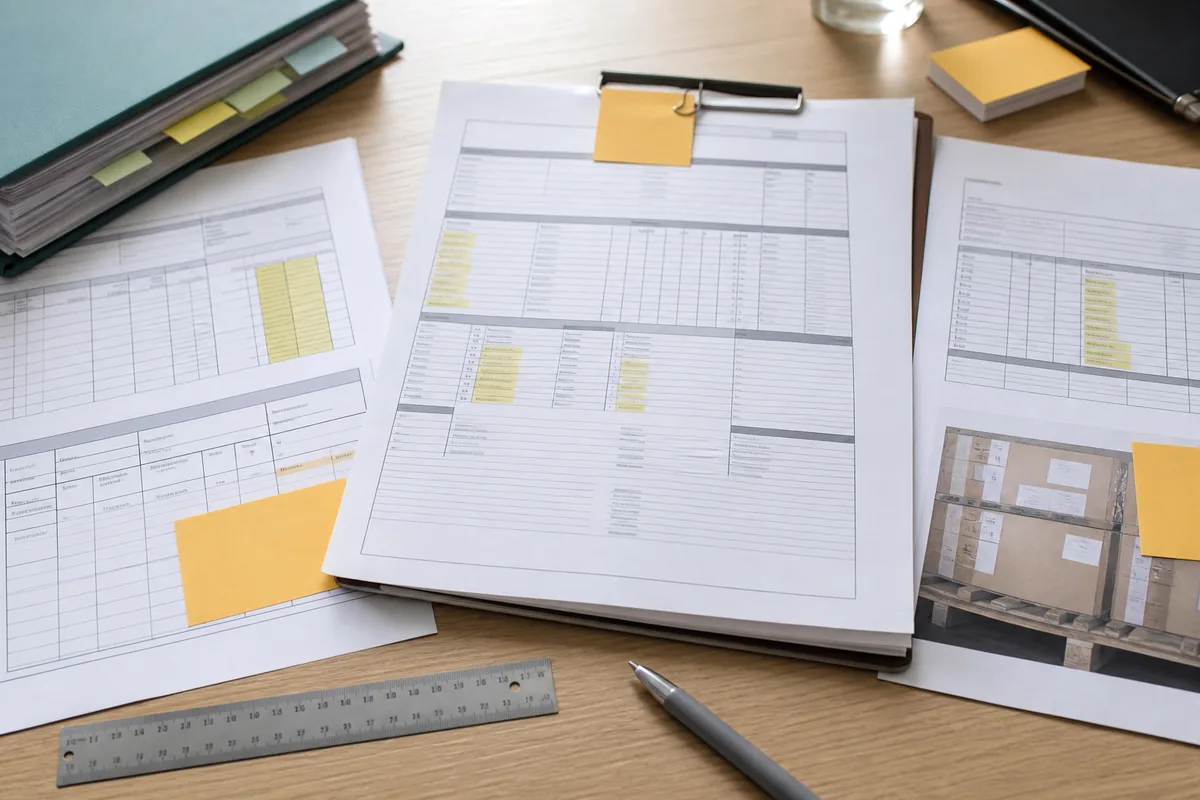
收到低报建议时先停在哪些环节
订单负责人书面回复供应商:商业发票必须反映真实交易,任何海关估价问题由进口商按目的市场规则处理。在准确文件形成前,财务暂停与该发票相关的余款,物流暂停把文件交给货代,进口商暂停发出申报指示。货物若已进入港口或申报流程,团队立即通知负责该票的报关行,不自行编造补救办法。
保存供应商提出低报的邮件、聊天记录和附件,记录发送人、时间、订单号、原金额、建议金额、币种及理由。截图要连同原始消息或导出记录保存,不能只留下裁剪后的数字。该资料既用于纠正当前单据,也用于判断供应商是否反复要求买方接受两套交易记录。
已有正确商业发票时,将低值草稿标注“未批准、不得用于付款或申报”;还没有正确版本时,要求供应商重开。采购、财务、物流和报关行收到同一份状态说明,避免一个团队拒绝低报,另一个团队仍从旧邮件附件取文件。
商业发票金额与海关完税价格不是随意替换关系
世界贸易组织的海关估价资料把成交价格方法描述为以实际支付或应付价格为基础,并按《海关估价协定》第八条处理相应调整。进口交易的合同与付款证据仍是起点。海关估价可能加入或扣除特定项目,不等于供应商可以随意挑一个更低数字作为商业成交金额。
世界海关组织的估价问答也说明,海关完税价格未必与发票价格完全相同,成交价格是主要方法,协定另设按顺序适用的其他方法。具体制度还要进入成员法律后才构成当地规则。因此,买方需要向目的市场的报关行确认当前法规、适用方法和所需证明,不能把国际说明直接当作一票货物的估价结论。
交易不能采用成交价格方法,或买卖双方关系、限制条件、返还收益等事项需要审查时,进口商应准备完整事实,让报关行或合格顾问判断后续方法。供应商一句“海关都这样报”不构成估价依据,过往顺利放行也不能证明本次数字正确。
用付款地图还原实际交易
采购与财务把采购订单、形式发票、合同、改价记录、贷项、定金、余款和银行回单排成时间线。每笔付款注明收款主体、账号、币种、日期、用途和对应商品。拆分付款、第三方收款或多张发票应能合计回订单成交金额,不能用拆款方式掩盖商品实际对价。
折扣需要说明商业原因和形成时间。下单前约定的数量折扣、质量索赔形成的贷项、返利和免费补货,证据意义并不相同。团队保留双方确认、计算过程和会计处理,让进口商判断这些项目是否影响实际支付或应付价格。
买方提供的模具、设计、原料或零部件,销售佣金、特许权使用费、包装费用以及转售收益等项目,可能在某些市场和条件下进入估价调整。运费、保险和境内费用的处理也随制度及交货结构变化。财务把项目列全,报关专业人员决定是否计入,供应商不能用压低商品单价来抵消这些项目。
让每个数字都有文件和责任人
估价工作表至少列出商品行、数量、成交单价、币种、折扣、买方提供项目、佣金、包装、特许权使用费、运输保险、其他调整、采用或排除理由以及证据位置。工作表是审核记录,不代替正式申报。负责进口的一方签字确认采用哪一版金额并注明依据。
欧盟委员会的关税计算说明展示了欧盟场景下以成交价格为主要方法、处理增减项目并按顺序考虑其他方法的框架。它适合用来理解估价为何需要拆分项目,却只能约束相应法域。进入美国、英国、东南亚或其他市场时,应查询当地海关规则和有效指引。
美国 CBP 对发票价值的说明列举实际支付价格及销售佣金、买方提供项目、特许权使用费、生产成本、包装和转售收益等内容,并提示低估可能带来处罚。其商业发票说明还要求商品描述、数量、价值、税则信息和开票企业等资料足以供查验。这些资料用于美国场景,不能替其他进口市场作结论。
纠正单据要覆盖整条传递链
供应商重开商业发票后,采购核对卖方、买方或收货方、商品描述、型号、数量、单价、总价、币种、贸易术语、包装、原产地表述和发票编号。财务确认金额与付款记录可解释,物流确认装箱单和订舱资料,进口商与报关行核对申报字段。旧发票保持留档并明确作废状态。
企业不能保留一份用于真实结算的发票,再向海关、货代或客户提供另一份虚假低值发票。两套文件会造成付款、会计、保险、索赔与进口记录相互冲突。货损、少货或质量争议发生后,低值文件还可能削弱企业证明交易损失的能力。
申报尚未提交时,使用核准文件替换草稿并让报关行回传关键字段。申报已经提交或货物已经放行时,进口商按当地程序咨询报关行、海关或法律顾问,判断是否更正、补税或采取其他披露措施。团队如实提供原申报、实际付款和发现时间,不删除供应商消息,也不假设各市场有相同的纠错窗口。
付款与出货放行写成明确闸门
采购负责人确认供应商已撤回低值版本并提供准确商业文件;财务负责人确认发票、订单与付款链一致;进口负责人确认估价项目和目的市场依据;物流负责人确认货代只持有控制版本。四项未闭合时,订单保持暂停。
若供应商拒绝纠正、要求现金补差、改由个人账户收款或坚持把真实金额留在聊天中,团队将其视为交易完整性风险。处理可以是延后付款、停止出货、升级管理层或退出订单,具体选择取决于货物状态、合同权利和专业意见,不能用口头承诺换取放行。
放行记录写明订单、发票号码、申报金额、估价工作表版本、报关行确认、尚存限制和批准日期。下一位接手人员应能从文件夹判断哪份发票有效,不能靠回看群聊猜测。
网站报价与海关申报保持职责分离
制造企业网站上的产品价格通常是询价起点、价格区间或特定配置报价,不能自动当成进口申报价格。网页内容团队使用已经批准的型号、配置和商业说明,不发布“可低报”“包税低价”之类承诺,也不替进口商判断一票货物的完税价格。
企业需要统一网站产品信息、报价字段和内部订单资料时,可由凯乐丰企业数字化服务梳理产品主数据与内容发布流程。海关估价工作表、付款记录、客户合同和报关文件留在受控业务系统,网站只接收允许公开的信息。
公开报价发生变化时,内容团队记录生效日期与适用配置。历史网页价格不能解释已签订单,采购也不能用当前网页覆盖当时的合同、折扣与付款证据。
复盘供应商和内部流程
结案资料包括低报建议原文、全部发票版本、采购订单、合同、付款地图、估价工作表、报关专业意见、修订单据、申报回执和放行记录。涉及个人账户、银行信息和客户价格的文件设置访问权限,公开资料库只保留方法说明。
复盘要判断问题来自供应商主动规避、销售人员误解、模板错误,还是买方没有提前说明文件要求。供应商主动坚持虚假文件时,采购档案记录风险并提高后续审核等级;流程问题则在下张订单增加发票样稿、估价资料和收款主体确认节点。
重复订单仍按当次价格、付款和估价要素复核。上次处理意见可以提供字段和责任分工,不能自动批准新的折扣、模具分摊、币种变化或第三方收款。
低报发票处理清单
- 书面拒绝与实际交易不符的低值发票并保存原始消息。
- 暂停相关余款、出货、文件交接和申报指示。
- 用订单、合同、贷项和银行记录还原付款地图。
- 列出买方提供项目、佣金、包装、特许权使用费和运输费用。
- 由目的市场进口商与报关专业人员确认估价方法。
- 替换财务、物流、货代和报关行持有的全部旧版本。
- 已经申报时按当地程序寻求更正或披露意见。
本文参考的一手资料
- WTO:Technical Information on Customs Valuation用于成交价格、实际支付或应付价格、调整项目及估价方法顺序的总体框架。
- WCO:Customs Valuation FAQ用于区分发票价格和海关完税价格,并说明协定与成员法律之间的关系。
- 欧盟委员会:Calculation of Customs Duties用于欧盟场景下成交价格、增减项目和后续估价方法的说明。
- 美国 CBP:What Value Should Be on the Commercial Invoice用于美国场景下实际支付价格、相关调整项目和低估风险。
- 美国 CBP:Commercial Invoice Requirements用于商业发票的商品描述、数量、价值及开票主体等信息要求。