/ 形式发票 / 生产地点
供应商要求从形式发票删除工厂地址时怎样处理
供应商发来新版形式发票,把原有工厂地址删除,并解释为“商业保密”或“版面简化”时,不宜立刻拒绝,也不能直接批准付款。采购负责人应暂停确认新版,先分清发票上的卖方、实际生产者和收款方,再判断生产地址能否移入受限文件以及哪些证据必须保留。
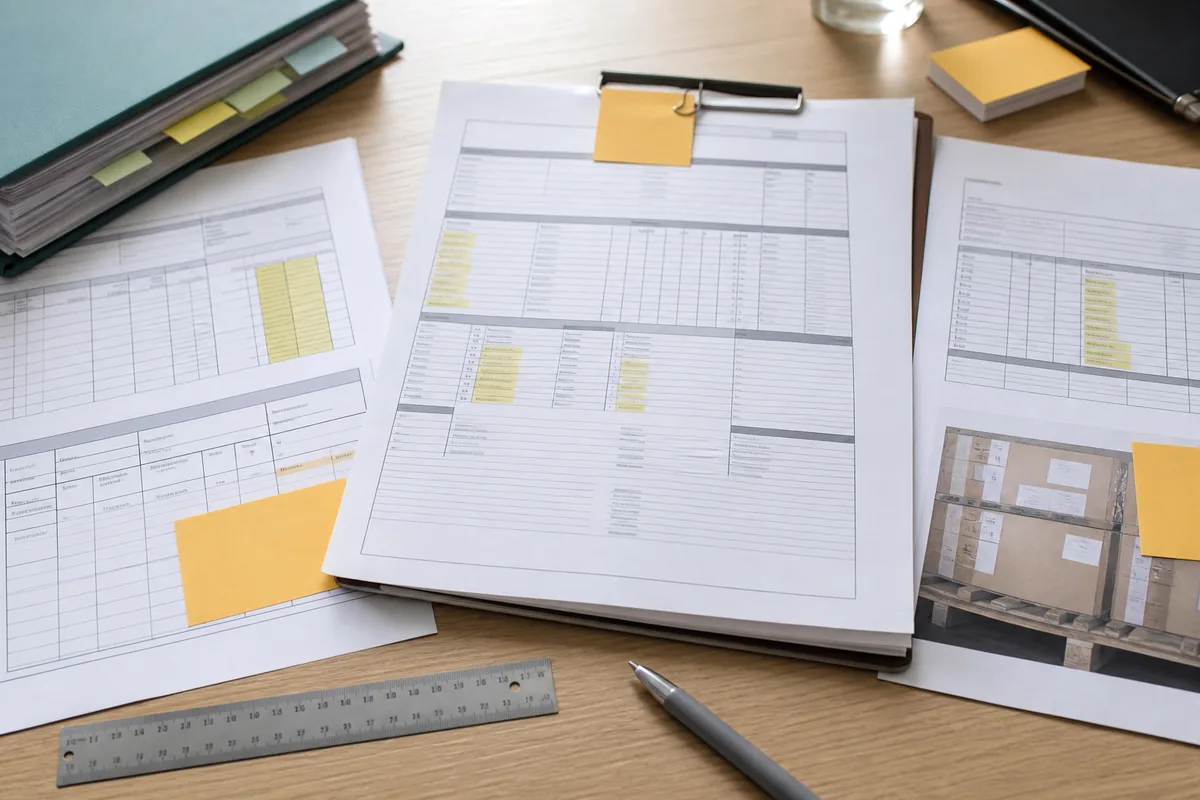
先保存新旧两个版本
保留原形式发票、新形式发票、邮件和聊天记录,不让供应商覆盖共享盘中的旧文件。记录文件名、版本号、签发日期、修改人和收到时间。
用差异表列出被删除的公司名、地址、电话、银行、产品、价格及条款。地址变化经常与卖方或收款方变化同时发生,不能只看一行。
形式发票的作用要说清
美国国际贸易署把形式发票描述为装运前由卖方向买方报价和磋商的重要文件,包含货物描述、数量、价格、重量等资料,并可能发展为清关使用的最终商业发票。
这项说明帮助理解文件用途,不代表每个国家都规定同一套形式发票字段。合同约定、进口国要求、付款银行和企业控制程序都可能增加资料项。
工厂地址不是全球统一必填项
不能仅凭“形式发票”四个字断定必须展示生产地址。许多交易由贸易公司销售,形式发票列卖方和买方,工厂资料另存于审核、验货或合规档案。
也不能反向推断地址可以随意删除。当采购批准、证书、原产地、检验或提货依赖特定生产地点时,这个地址属于交易控制证据。
确认发票上的卖方是谁
卖方全称、注册地址、注册号、联系人和签署人应能与合同及工商资料对应。若卖方就是工厂,删除唯一地址会降低主体可识别性,应要求补回或提供等效的正式卖方地址。
若卖方是贸易公司,工厂地址和卖方地址分属不同角色。新版只保留贸易公司地址未必有错,但工厂关系要在其他受控记录中成立。
核对收款方是否同步变化
检查银行账户名称、开户行、币种和付款路径。删除工厂地址的同时改成个人账户、第三方收款或陌生国家账户,应停止付款并按独立渠道重新验证。
供应商原邮箱被入侵时,攻击者可能改发票版式和银行信息。验证电话或既有联系人从企业主档取得,不使用变更邮件中提供的新号码。
询问删除原因和使用范围
要求供应商说明谁提出删除、出于何种原因、只影响形式发票还是也影响合同、商业发票、装箱单与运输资料。口头解释整理成书面确认。
“保护供应链”可以是合理商业诉求,但要指出需要对谁保密。买方内部、检验机构、认证机构和海关的访问需求不同,不能用一个公开/保密开关处理全部资料。
用受限附件处理商业保密
工厂信息不宜广泛分发时,可在形式发票上保留合法卖方,并把工厂名称、地址、联系人和批准产品移入保密附件或供应商主档。
附件写明关联订单、SKU、版本和访问权限。采购、质量、合规与验货人员按职责查看,销售转发给客户的文件不自动携带该附件。
工厂身份需要独立验证
美国国际贸易署的尽职调查页面建议借助背景调查、市场资料和限制方筛查了解潜在合作伙伴。企业可结合当地登记、现场审核和可靠第三方资料核对工厂。
营业执照截图、平台页面或名片只能提供线索。名称、地址、注册号和业务范围应相互印证,并记录核验日期。
生产地点与验货地址对齐
检验委托书应写清生产地点、待检数量、联系人和可进入时间。供应商临时要求验货员去另一个仓库时,质量负责人要判断那里是工厂、分包点还是成品仓。
只在仓库看到成品,无法自动证明订单由已批准工厂生产。需要的生产过程证据按产品风险和采购控制方案确定。
检查证书和测试报告的主体
证书持有人、制造商、生产场所、型号与订单产品可能分别出现。删除形式发票上的工厂地址后,确认这些文件仍能连接到实际生产地点。
证书列出的地址变化、型号范围不明或持有人与卖方关系不清时,由产品合规人员向签发机构或合格评定专业人员核实,采购不能自行解释覆盖范围。
欧盟产品资料有另一套地址逻辑
欧盟委员会《蓝色指南》解释,产品法规可能要求制造商在产品、包装或随附文件上标示名称和邮政地址。具体要求取决于适用的欧盟协调法规。
这种产品追溯标识不等同于形式发票字段。即使 PI 不显示工厂地址,也要单独检查适用产品法规是否要求制造商或进口商信息随货出现。
商业发票另按进口国要求审核
美国 CBP 的进口商业发票说明列出卖方、买方、货物描述、数量、价值、原产国等资料,并要求外国负责开票企业的名称和地址。该页面适用于美国进口。
形式发票获准删减,不表示最终商业发票也照搬。目的国规定和报关代理要求应在出货前重新核对。
中国申报资料保持事实一致
海关总署货物申报办事指南要求如实申报,并准备合同、发票、运输单据、装箱单等商业资料。生产方、卖方、境外发货人和境内收货人的实际关系应在文件中能够解释。
办事指南不能推出“形式发票必须列工厂地址”。中国进口项目还要按商品、贸易方式和当前监管要求准备具体单证。
把批准工厂纳入产品主档
每个产品或 SKU 记录批准卖方、生产工厂、地址、审核状态、证书范围、检验方案和最近复核日期。一个供应商有多个工厂时不得共用含糊名称。
明确谁有权批准删除
采购确认商业关系,财务确认卖方与收款账户,质量确认生产地点和验货安排,合规人员确认产品及进口资料。供应商业务员不能代替这些岗位关闭缺口。
批准记录写明本次允许删除的字段、适用订单、替代文件、访问权限和有效期。后续换厂或换卖方时重新审批。
设置停止付款和生产条件
卖方身份无法验证、银行账户变化、工厂突然更换、验货地址冲突、证书与生产地点失去关联或供应商拒绝向授权人员提供地址时,暂停付款、量产或出货批准。
风险较高的产品涉及强制认证、召回追溯或客户审厂时,由法律、质量或产品合规专业人员评估,不能靠普通采购清单代替判断。
网站公开资料与受限资料分层
制造企业网站建设可稳定展示法定公司、品牌和业务联系信息,工厂详细地址按企业公开策略与法规要求决定是否展示。
外贸独立站与内容优化适合把企业介绍、质量体系、产品资料和下载入口分层组织,客户需要敏感证明时走受控申请。
自动比对服务于人工审批
SEO/GEO 优化能改善公开主体信息的可发现性,搜索页面和 AI 摘要不承担供应商身份核验功能。
企业 AI 与数字化流程可比较 PI 版本、识别地址和银行字段变化,并关联批准工厂主档。删除是否可接受仍由相应责任人审批。
工厂地址删除审核表
| 文件版本 | 旧 PI、新 PI、差异、修改原因、修改人和签发日期 |
|---|---|
| 交易主体 | 卖方、工厂、收款方、出口方、买方和进口方 |
| 生产证据 | 工厂登记、审核、证书、测试报告、验货与提货资料 |
| 批准范围 | 订单、SKU、替代附件、访问权限、批准人和有效期 |
接受新版形式发票前
- 新旧版本和删除原因已经留存。
- 卖方、工厂和收款方角色均可验证。
- 生产地址在受限主档或其他控制文件中仍然有效。
- 验货、证书、提货和产品记录指向同一生产安排。
- 最终商业发票将按进口国当前要求另行审核。
- 采购、财务、质量和合规责任人完成相应批准。
本文参考资料
- 美国国际贸易署:常见出口单证形式发票、商业发票的用途以及进口国可能规定商业发票格式。
- 美国国际贸易署:开展商业伙伴尽职调查企业背景调查、市场资料和限制方筛查等核验路径。
- 美国 CBP:进口商业发票要求美国进口商业发票中的交易主体、商品、价值和开票企业资料。
- 海关总署:“货物申报”政务服务事项办事指南中国货物如实申报及合同、发票、运输单据和装箱单资料要求。
- 欧盟委员会:《欧盟产品规则实施蓝色指南》2022 年版制造商和进口商追溯信息、地址标示及适用产品法规边界。