/ 分批出货 / 单证版本 / 收货核对
分批出货怎样控制单证版本
一张采购订单拆成几次出货后,每一批都有自己的商品行、箱号、发票、运输单号和收货结果。团队需要用同一张分批总表持续核对已发数量、已开票价值和剩余订单。
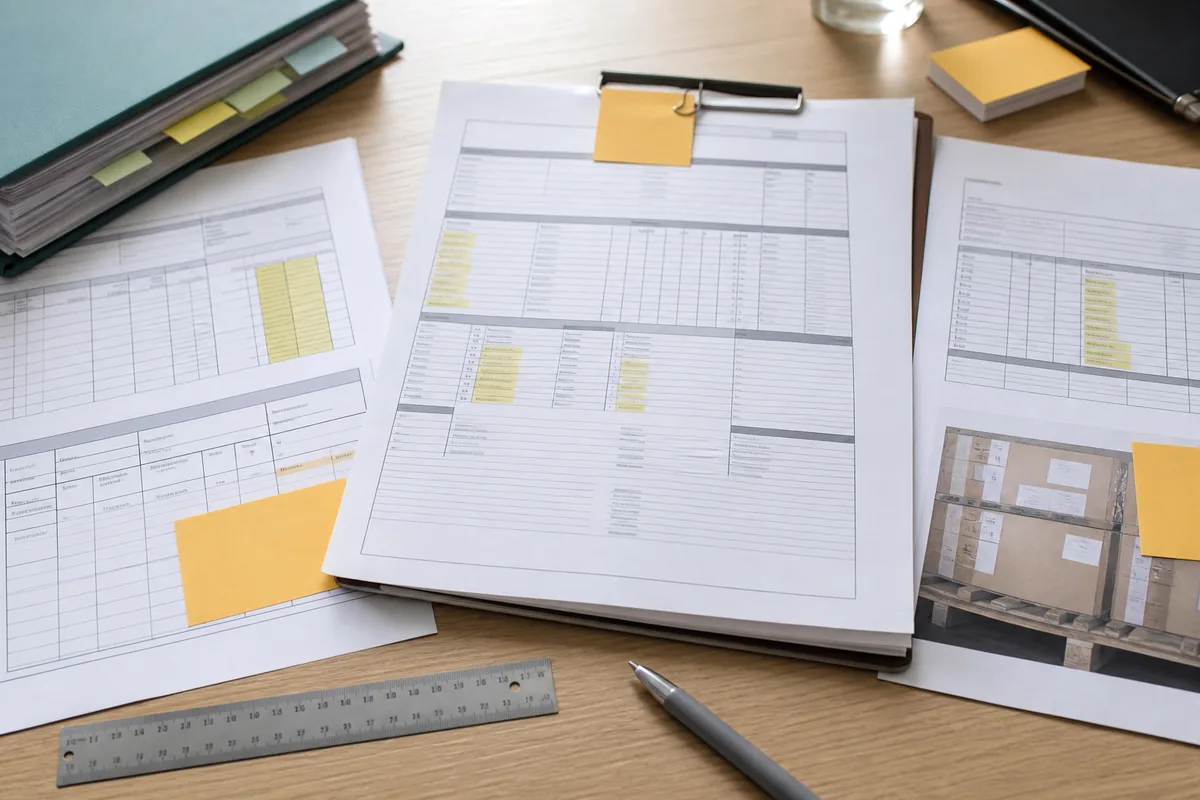
把分批决定写成一份批准计划
供应商提出分批出货时,订单负责人先确认原因和商业影响。常见原因包括产品分阶段完工、部分材料延误、买方急需部分库存、仓库预约限制或运输舱位变化。计划应列出批次数量、预计日期、运输方式、费用承担、付款节点和允许的订单差异。交期、运费或付款条件随分批变化时,采购人员还要更新采购订单或形成书面补充文件。
分批计划以批准的订单版本为基线。每个订单行保留原订数量、单价、总额、产品配置和包装要求,再增加各批计划数量。所有计划批次相加应等于订单数量;暂未分配的部分明确标为待排产,不能塞进“其他”一栏。赠品、备件、样品和替换件使用独立行,避免仓库把它们计入可销售商品。
团队给每批分配稳定编号,例如订单号加 S01、S02。这个编号进入发票、装箱单、订舱指示、检验报告、运输通知和内部文件名。供应商写“第一批”也可以辅助阅读,控制字段仍使用不随批次增加而变化的编号,防止后来插入紧急批次时整套文件改名。
订单行和出货行保持可追溯关系
OASIS UBL 2.3 的发运通知模型允许一个订单行拆成多个发运行,并通过订单行引用保持对应。它也区分完整发运与部分发运,收货通知可以记录短收或拒收。企业无需采用该技术格式,也可以借用其数据关系:每个出货行写明原订单行、产品标识、本批数量和处理单元。
分批总表至少有四组数量:原订、当前批、累计已发、剩余待发。公式由系统或表格计算,订单负责人核对单位。件、套、箱和千克不能直接相加;套装还应注明一套包含哪些组件。供应商将一个 SKU 拆成主件和配件出货时,采购与产品人员确认它是否仍满足订单和销售包装要求。
退回、补发和取消也进入同一总表。仓库短收两箱后,累计已发与累计实收会出现差异,团队不能直接把缺口改成“未发”。供应商补发时,新批次引用原短收记录;买方取消余量时,采购订单余额经批准后归零。这样财务、仓库和供应商看到的是同一条历史。
每批商业发票只覆盖本批交易事实
每张商业发票应标明订单号、分批编号、卖方与买方、商品描述、数量、单价、币种、贸易术语和本批金额。美国 CBP 对商业发票公开列出商品描述、数量、价值、税则子目和开票主体等要求,这些字段只用于美国进口场景的参考。其他市场由负责当地进口的人员核对法定字段。
本批发票金额通常由本批商品行计算,团队还要处理模具、样品、折扣、预付款分摊、运费和保险。某项费用只在首批开票,或按数量分摊到各批,都要在总表写明计算方法。所有批次的商品金额与获批订单总额对不上时,财务人员应查明价格修订、短装、贷项或额外费用,不能在收尾批次用一行“余额调整”强行对平。
海关价值按每批实际交易和目的市场规则判断。订单总价、分批发票价、累计付款与申报价值可能存在合理差异,但每个差异需要证据。进口责任人把折扣、协助项目、运保费和跨批分摊交给报关代理审核。代理收到修订发票后,旧稿标记失效,并记录是否已使用旧数据创建申报。
装箱单从物流单元追到商品行
UN/CEFACT 的跨行业装箱单模型把交易、运输批次、托运货物、包件和商品行连接起来。分批总表可沿用这种层级:订单行分配到本批商品行,本批商品行装入箱或托盘,物流单元再进入某票运输。各层都保留自己的编号,不用一个箱号同时代替批次号和运输单号。
装箱单列出本批箱数、箱号范围、包装类型、每箱内容、净重、毛重和尺寸。混装箱需要逐项列明 SKU 与数量,不能只写总件数。供应商重新装箱后,装箱单、箱唛、称重记录和装柜照片同步更新;仓库按最新版收货,旧版保留历史但不能继续作为预约或报关附件。
GS1 物流标签指南使用 SSCC 唯一识别物流单元,并通过扫描把实物流动与电子业务信息对应。企业采用 SSCC 时,每个托盘或物流箱使用唯一代码。企业没有实施 GS1,也要避免跨批复用托盘号或箱号。普通 SKU 条码识别商品,物流单元编号识别本次运输包装,两者承担的用途不同。
运输文件按实际托运关系生成
每批订舱记录要写清发货人、收货人、通知方、起运地、目的地、件数、重量、体积、运输方式和计划日期。海运提单、空运单、快递单或陆运单据连接对应的分批编号和装箱单。几批货合并成一票运输时,总表保留多个分批编号到同一运输单号的映射;一批货拆成两票运输时也分别记录。
货代和承运人的状态更新不能代替货物身份。提货、入仓、装载、离港、到港和签收各有时间与地点,团队用箱号、托盘号或运单号连接事件。追踪页面显示“已送达”时,仓库仍需核对实收物流单元和商品数量。运输异常涉及甩柜、转运或部分提货,物流人员更新本批状态,不能改动其他批次。
保险安排要看每批货值、运输方式和承保期间。订单购买一张总保单时,采购或物流人员确认各批是否都申报给保险人,以及剩余保险额度。索赔资料引用受损批次、物流单元和运输文件,避免用整张订单总额替代实际损失范围。
检验和放行跟随实际生产批次
分批出货可能对应不同生产日期、材料批次或检验结果。质量人员在检验报告中写明覆盖的 SKU、数量、箱号、生产批次和抽样范围。首批检验通过,不能自动批准后来生产的余量;后续批次若沿用相同产品基线,质量负责人也要确认是否需要抽检、复检或只做文件核对。
出货放行记录连接本批发票、装箱单、检验结论和运输安排。文件尚未一致时,负责人标明暂停原因和恢复条件。供应商因为舱期接近而先交货给货代,订单档案要保留这一偏离及责任处理,不能倒填批准时间。
仓库回执反向更新分批总表
仓库按分批编号和物流单元接收货物,记录到货时间、实收箱数、商品数量、外观异常和待清点项。OASIS 的收货通知模型允许记录短收或拒收;实际企业可以用仓库系统、签收单或表格完成同样动作。收货人员不直接改采购订单,他们提交差异,订单负责人判断供应商补发、退款、贷项或接受短装。
财务人员把每批发票、付款和收货结果对应起来。合同约定按出货付款时,本批批准数量和检验放行决定应付金额;按整单节点付款时,总表仍记录已覆盖的货物。付款完成后,剩余应付与剩余待发分开显示,避免把未交货金额误认为财务差额。
网站和客户资料只发布获准状态
制造企业可能需要在客户门户、产品页面或交期说明中展示部分出货状态。对外信息只采用获准公开的订单节点、产品数量和预计时间,不展示商业发票、客户名称、运输单号或报关资料。企业可以使用凯乐丰企业数字化服务规划订单字段、权限和网站内容更新关系,让客户信息与内部单证保持边界。
内容团队接收订单负责人批准的状态摘要,不从物流截图或供应商聊天自行判断。交期变化影响公开承诺时,负责人给出适用产品、市场、生效日期和替换文案。网站更新记录回链到内部批准编号,但敏感附件保留在受控系统。
收尾批次完成后核销整张订单
订单关闭前,团队复算每个订单行的累计已发、累计实收、取消、补发和剩余数量,再复算各批商品价值、费用、贷项、已付与应付。总量或金额仍有差异时,责任人提交更正文件,不能只在总表写“已处理”。
档案保留批准订单、分批计划、各批发票和装箱单、检验放行、运输文件、仓库回执、付款与申报记录。UN/CEFACT 的可验证贸易文件项目把采购订单、商业发票、装箱单、运输与海关文件视为相互关联但各自独立的文档类型;内部档案也应保留这些边界,汇总表只做索引和核算。
订单结论写明已完成、部分取消、待索赔或仍有未决项。分批计划在本单关闭后保留历史,复购订单建立新基线。团队可以复用编号规则和字段模板,不能让上一单的剩余数量、箱号或费用继续滚入新订单。
分批出货核对清单
- 批准分批原因、数量、日期、费用、付款和交期变化。
- 为每批分配稳定编号,并把商品行映射到原订单行。
- 持续计算原订、当前批、累计已发和剩余待发数量。
- 逐批核对发票价值、装箱层级、物流单元和运输单号。
- 让检验报告与放行记录明确覆盖的生产和出货批次。
- 用仓库实收更新差异,不直接覆盖供应商发运历史。
- 整单关闭前核销数量、价值、付款、申报和未决事项。
本文参考的一手资料
- OASIS:Universal Business Language 2.3用于订单行、部分发运、发运行、物流处理单元和收货差异之间的数据关系。
- UN/CEFACT:Cross Industry Packing List用于交易、运输批次、包件、物流单元与商品行的装箱数据层级。
- GS1:Logistic Label Guideline用于 SSCC 对物流单元的唯一识别及实物流动与电子信息的对应。
- 美国 CBP:商业发票要求用于美国进口商业发票中的商品描述、数量、价值、税则子目与开票主体字段。
- UN/CEFACT:Verifiable Trade Documents用于采购订单、商业发票、装箱单、运输、付款和海关文件的独立文档边界。