/ 产品合规 / 安全数据表 / 化学材料
化学相关产品怎样管理 SDS 与 MSDS 文件
产品含油墨、胶黏剂、涂层、清洁液、香料、粉末或电池时,采购团队常会收到一份名为 SDS 或 MSDS 的 PDF。文件存在只说明有人制作过资料,不能证明它对应本次材料、当前配方、目的市场和运输方式。
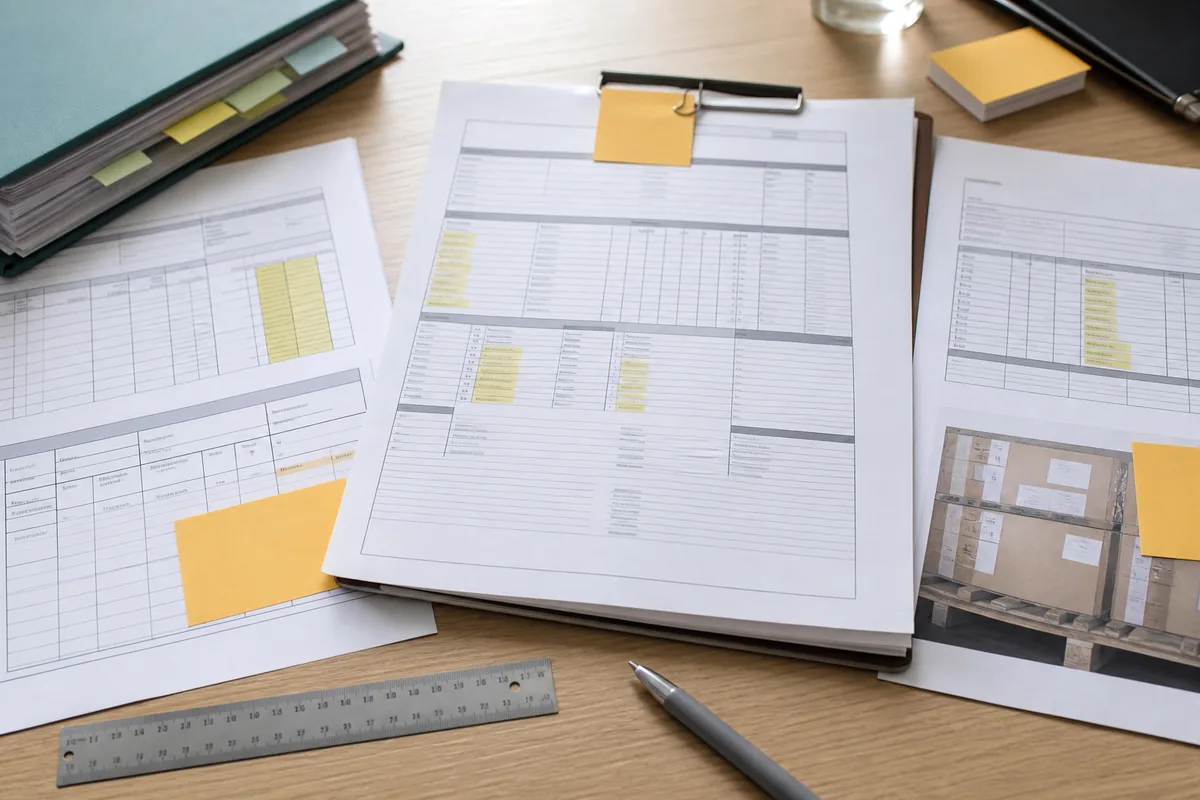
先确定订单里有哪些化学相关材料
采购人员从 BOM、工艺流程、包装和维护用品中列出液体、混合物及可能造成职业暴露的材料。印刷油墨、喷涂、胶水、清洁剂和填充液经常被遗漏,因为成品名称看起来并不像化学品。电池、磁性材料和粉末还可能触发运输或产品专项文件。
每项材料记录商品名、内部料号、制造商、供应商、配方或等级、使用位置、包装规格和批次。SDS 第一节中的产品标识应与容器标签和采购记录匹配。文件写的是同一品牌下另一型号,或制造商与来料标签不同,团队不能直接沿用。
成品是否需要随附 SDS,要按材料形态、用途、暴露方式和销售法域判断。OSHA 危害沟通标准面向工作场所危险化学品,并列有范围和豁免;消费者拿到的成品、密封物品和工厂使用的原料可能适用不同规则。采购方不把美国工作场所要求扩写成全球所有产品的统一义务。
SDS 已取代多数场景中的旧称 MSDS
OSHA 的资料把 SDS 说明为旧称 material safety data sheet 的标准化版本。供应商继续使用 MSDS 这个名称时,文件负责人仍按当前适用规则检查结构和内容,不能只根据标题判断是否有效。
OSHA 1910.1200 要求安全数据表采用 16 节标题顺序,涵盖产品识别、危险分类、成分、急救、消防、泄漏、操作储存、暴露控制、理化性质、稳定性、毒理、生态、处置、运输、法规和修订信息。OSHA 对第 12 至 15 节的执法范围另有说明,因此读者应按目的国制度核对这些部分。
附件 D 进一步列出各节最低信息。第一节包括产品标识、用途限制、责任方和紧急电话;第二节包含危险分类、信号词、图示及防范说明;第 16 节应给出编制或修订日期。空白栏目要说明没有适用信息,不能悄悄删除。
检查文件是谁制作、何时更新
文件抬头应显示化学品制造商、进口商或其他责任方及可联系信息。贸易公司转发制造商 SDS 时,要保留原始来源;自行换页眉或翻译后,应说明译制和责任关系。第三方排版公司不能替配方责任方确认危险分类。
文件负责人保存编制日期、修订日期、版本号和接收日期。OSHA 要求责任方获知重大危险或防护新信息后更新 SDS,并对更新后的首批供货安排传递。配方、原料来源、浓度、产品标识或法规变化也应触发供应商确认。
供应商说“配方没变”时,可要求当前版本声明、产品代码对照和批次证据。旧文件不一定失效,但必须证明仍覆盖当前材料。只改 PDF 日期而没有修订说明,会破坏版本记录。
语言和市场版本不能随意互换
美国 OSHA 要求相关 SDS 使用英文,企业可以保留其他语言副本。欧洲化学品管理局说明,SDS 的格式和内容由 REACH 规定,并包含物质或混合物性质、危险、操作、处置、运输、急救、消防和暴露控制信息。
向欧洲经济区供应化学品时,语言要求通常与供应国家相关。采购团队根据目的国和当地要求取得正式语言版本,保留翻译来源和版本对应表。机器翻译可帮助内部阅读,不能未经责任方审核就替代正式文件。
同一材料的英文、中文和其他语言版本应共享产品标识、版本日期、危险分类和责任方。发现信号词、象形图、成分范围或紧急电话冲突时,合规负责人暂停使用并向文件责任方核实。
SDS 不能替代产品测试和运输判断
SDS 记录化学危险和防护信息,不证明成品符合食品接触、玩具、化妆品、电子电气或客户限用物质要求。迁移、重金属、邻苯、挥发物或其他项目仍要按产品、材料和市场选择测试或声明。
第 14 节可以提供运输信息,但承运人和危险品专业人员仍需根据实际物质、浓度、包装、数量、运输方式和当前规则确认分类。SDS 写“非危险品”不能单独替代海运、空运或陆运所需鉴定与申报。
锂电池还涉及型号、额定参数、UN 38.3 测试摘要、包装和运输条件。成品所带电池与 SDS 中的电芯型号不同,或者电池更换后仍沿用旧文件时,物流负责人应停止订舱资料确认。
让 SDS 跟随材料批次和订单版本
资料表把 SDS 文件名连接到材料料号、制造商、供应商、版本、语言、适用产品、订单和批次。仓库收料时核对容器标签,生产换料或供应商替换时触发复核。成品出货文件包只放入与当前产品有关的版本。
文件命名可使用“材料料号_制造商_语言_版本日期”,避免“MSDS-new-final”这类无法排序的名称。旧版进入受控归档,不覆盖删除;客户、货代或实验室收到过旧版时,更新记录注明通知日期和替换结果。
紧急联系人、消防、泄漏和个人防护信息应能被工厂现场及时访问。只把 PDF 存在采购人员邮箱里,无法满足现场应急需求。工厂安全负责人确认员工可取得当前资料,并按适用制度完成标签和培训。
缺项或不匹配时暂停放行
产品标识、责任方、配方范围、版本日期、危险分类、语言或运输信息与实际材料不一致时,由合规负责人暂停文件批准,采购暂停更换材料,物流暂停依赖该 SDS 进行运输声明。供应商、工厂安全人员和物流专业人员补齐各自证据后,合规负责人确认当前版本。
定制礼品涉及多种印刷和组装材料,安全文件应从打样阶段随材料一同确认。凯乐丰的定制产品与企业采购服务可从 凯乐丰主营业务网站 查看,具体 SDS、测试及运输资料以实际配方、产品和目的市场为准。
SDS 文件控制记录
| 材料身份 | 商品名、料号、制造商、供应商、等级、使用位置、批次和容器标签 |
|---|---|
| 文件版本 | SDS/MSDS 名称、语言、编制日、修订日、版本号和责任方 |
| 适用范围 | 产品、订单、市场、工作场所、运输方式及另需测试或运输文件 |
| 恢复条件 | 身份与版本一致,危险和语言字段闭合,合规及物流负责人批准 |
使用 SDS 前检查
- 把文件产品标识与实际材料标签和料号对应。
- 核对制造商、责任方、版本日期和修订记录。
- 检查 16 节结构、危险分类、语言和紧急信息。
- 另行确认产品测试、运输分类和专项文件。
- 换料、换配方或换供应商时重新审核。
参考资料
- 美国 OSHA:1910.1200 Hazard Communication用于说明工作场所危险化学品、SDS 责任、传递和更新要求。
- 美国 OSHA:Appendix D Safety Data Sheets用于核对 16 节结构及各节最低信息。
- 欧洲化学品管理局:Safety Data Sheets用于说明 REACH 下 SDS 的内容、用途和扩展安全数据表。
- 联合国欧洲经济委员会:GHS用于理解全球化学品统一分类和危险信息传递框架。