/ 样品处置 / 保密控制 / 销毁证明
样品审核后怎样决定退回、销毁或留存
质量团队已经否决样品,桌面上却还放着带客户商标的外壳、未公开结构件和装有电池的原型机。有人想寄回供应商,有人建议拍照后扔掉,还有人准备留作下一轮比对。评审结论只回答样品是否被接受,样品由谁所有、谁能接触、如何运输或处置、需要保存多久,仍要形成单独决定。
先给样品建立可追踪身份
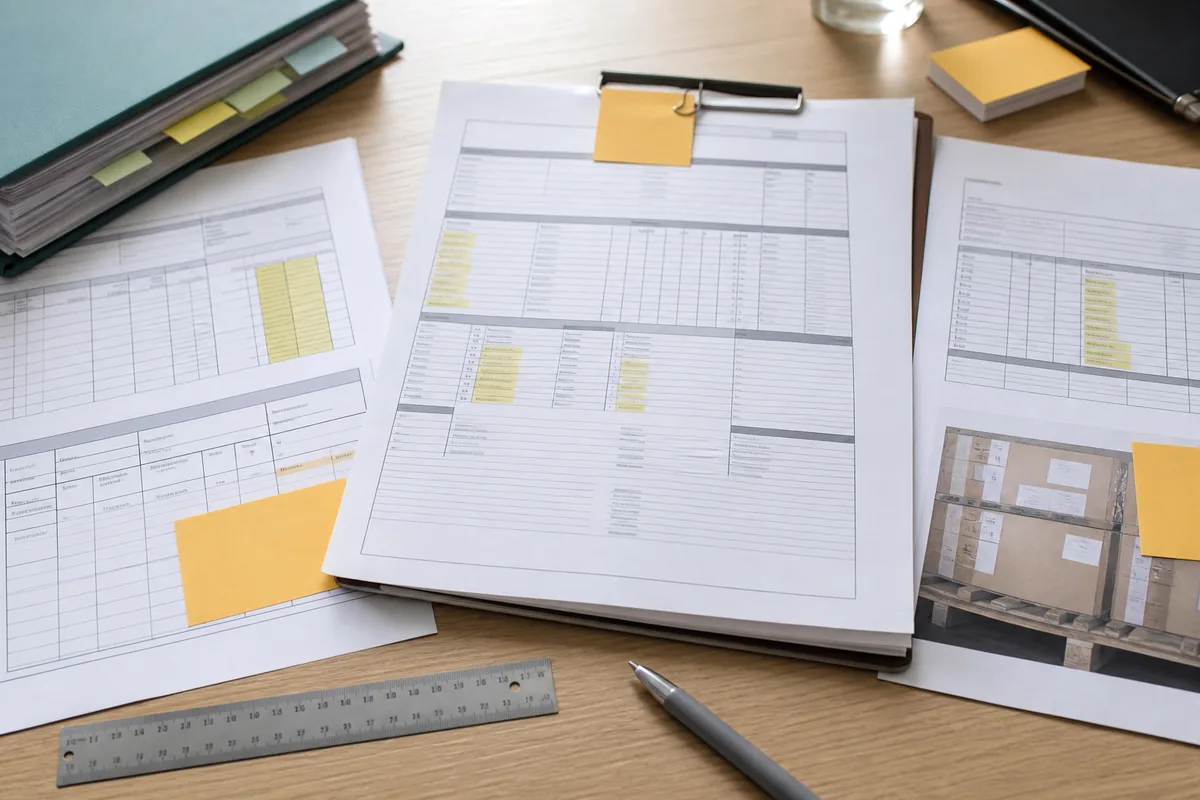
样品登记表记录内部编号、供应商、项目、产品型号、版本、批次或序列号、到件日期、付款性质、快递号、收件人和当前保管位置。外包装、实物标签和系统记录使用同一编号。多个部件组成一套样品时,分别列明主件、附件和包装。
评审人员拍摄外观、标签和关键差异,照片文件名包含样品编号和日期。样品被拆解、切割、污染或消耗后,记录剩余状态。只留下“样品不合格”的结论,后续人员无法判断待处置实物是否就是评审对象。
所有权与保管责任分开核对
采购查看样品订单、报价、付款记录、保密协议和往来邮件,确认样品由谁所有,运费、测试费和模具费有没有改变所有权约定。免费提供、收取样品费、押金可退或货款抵扣,都不能单独证明所有权已经转移。
样品在买方办公室或实验室,并不代表保管方可以自行出售、拆件或销毁。合同没有写清时,采购与法务向供应商发出书面询问,并设定回复期限。双方确认处置前,保管人继续采取合理保护措施。
退货争议先看合同与适用法律
CISG 对其适用的国际货物买卖规定了拒收后货物保全、第三方仓储和特定条件下出售等安排。它也明确不处理合同效力及货物所有权对货物产生的效力。样品交易是否受 CISG 约束,还要看交易性质、当事人所在地、合同排除和适用法。
企业不能从“样品未通过”直接推导出任意销毁权。买方准备退货时,书面说明样品状态、保管地点、包装、运输方式、费用和提货期限。供应商拒绝接收或长期不回复,处理方式仍要结合合同、适用法律、样品风险和保存成本确定。
退回适合仍有价值或权属明确的样品
供应商拥有样品、需要失效分析、样品可以安全运输,或双方约定退还时,采购安排退回。退货指令写明地址、联系人、快递账号、报关描述、申报价值、运输限制和签收要求。跨境退回还要核对原进口记录、退运程序与目的国要求。
发件前拍摄完整状态和封箱过程,装箱单列出样品及附件。承运人交接、运输轨迹和签收回执归入样品档案。供应商收到后若称部件缺失或损坏,双方可以从封箱证据和重量记录核对。
销毁适合无须返还且不能继续流转的样品
带未公开品牌、专有结构、失效安全部件、受污染材料或客户定制标识的样品,常需要受控销毁。负责人员先取得所有权人或合同授权,确认产品监管、废弃物、数据和知识产权要求,再选择有能力的处置方。
销毁方法要让样品失去约定用途。剪掉商标可能不足以处理可复原的结构件,格式化设备也可能无法清除存储数据。企业根据风险决定拆解、粉碎、消磁、擦除、去标、回收或危险废物处置,并禁止员工私自带走。
商业秘密样品限制接触与复制
原型、配方、治具、图纸和未发布包装可能承载商业秘密。WIPO 的商业秘密指南把保密信息、因保密而具有商业价值以及权利人采取合理保密措施列为保护要素,并举出访问控制与保密协议等措施。
样品档案标注保密级别,只向评审、保管和处置人员开放。第三方实验室、摄影人员、快递与销毁商按需要获得最少信息,并受合同约束。销毁证明中可以使用样品编号,避免向处置方披露完整客户和项目资料。
实验室按约定控制测试物品
送检前,委托方与实验室约定样品接收、标识、存储、保留、退回和处置。NIST Handbook 150 是美国 NVLAP 实验室认可的一般程序与要求资料,可用于理解实验室管理框架。具体项目仍以测试方法、认可计划、监管规定和实验室合同为准。
实验室报告签发后,采购不能假定实物会被无限期保存。委托单写明保留期限和期满动作,要求实验室在样品异常、损坏或数量不足时通知。破坏性测试产生的残片也要确认是否退回、留存或按规定处置。
危险属性决定谁能处置
电池、化学品、含液设备、受污染纺织品、电子部件和压力容器可能触发运输或废弃物规则。环境健康安全人员依据成分、状态、检测结果和所在地法规判断废弃物类别,普通保洁或快递人员不能代替这一判断。
美国 EPA 的危险废物产生者规则摘要说明,产生者类别和要求与废物数量有关,并涉及识别、现场积存、培训、包装标签、联单、记录和合格设施。该规则只适用于美国相应范围;其他地区要查当地环境、运输和回收要求。
留样要有明确用途和到期日
样品可以用于量产比对、供应商争议、客户确认、稳定性观察、监管复核或下一轮改版。留样决定写明用途、责任人、存储条件、数量、封样方式、访问权限、复核日期和到期处置。没有用途和期限的“先放着”,很快会变成无法识别的旧物。
批准样与不合格样分区保存,标签上显示状态。温湿度、紫外线、静电、泄漏或电池自放电可能改变样品,保管人员定期检查。样品状态已经变化时,质量人员判断它是否仍能支持原比较目的。
实物保存期限不能从记录期限推定
法规或客户常要求保留证书、测试报告、抽样记录和变更记录,这不一定要求把同一件实物保存相同年限。企业应把“记录保留”和“实物留样”分成两列,分别写依据、期限和责任人。
美国 16 CFR 1107.26 要求适用的儿童产品制造商保留证书、第三方认证测试、代表性样品选择和材料变更等记录五年。该条款讲的是特定美国儿童产品记录保存,不能据此推定所有产品样品必须保留五年,也不能取代其他规则。
销毁证明要能对应具体样品
内部销毁记录包含审批人、执行人、日期、地点、样品编号、数量、销毁前状态、方法和处置结果。高风险样品由两人见证,或取得第三方处置证明、称重记录与影像。照片保留识别信息,同时控制敏感细节。
批量销毁时,清单逐项连接到处置凭证,不能只留一张废品车照片。回收商出具的证书要核对服务主体、地址、日期、重量和处理范围。证明中的总重量与样品清单不一致时,档案说明包装或混合废料的差异。
费用和押金随处置一并结清
退运费、仓储费、销毁费、检测费和样品押金由合同及批准决定承担方。采购把预计费用发给相关方确认,紧急安全处置则保留通知和审批。财务不能因为样品金额小就跳过押金退还、供应商贷项或项目成本记录。
供应商要求返还但长期不提供账号或地址时,采购记录提醒和截止日。买方承担临时保管费或处置费的依据也要进入案件。双方达成费用和解后,保留付款、贷项或相互放弃请求的书面记录。
客户与网站资料要清除失效样品内容
被否决样品的照片、参数、包装和认证信息如果已经进入网站草稿、销售资料或客户演示,内容负责人应按评审结论撤下或标注失效版本。实物销毁不会自动清除网盘、邮件附件和网页缓存中的旧资料。
凯乐丰的制造企业网站与产品资料管理流程可帮助企业连接产品版本、图片、参数与网页发布状态;样品所有权、检测判断、危险废物和法律处置仍由采购、质量、法务及环境健康安全责任人确认。
出现这些情况应暂停处置
- 样品编号、项目或当前保管位置无法确认。
- 所有权和合同处置条款冲突,相关方尚未书面确认。
- 样品可能涉及争议、索赔、召回或监管调查。
- 原型或客户定制样品含保密结构、数据或品牌标识。
- 样品含电池、化学品或受污染材料,危险属性未判断。
- 实验室、客户或监管记录要求尚未核对。
- 销毁方法不能证明样品失去约定用途。
- 退回地址、运输条件或跨境申报信息不完整。
质量负责人确认评审状态,采购核对所有权和费用,法务处理争议与保密,环境健康安全人员判断危险属性,档案责任人核对保存要求。相关决定落到同一份样品处置单后再执行。
工作清单
- 登记样品编号、版本、状态和保管位置。
- 核对所有权、合同条款和评审结论。
- 评估保密、数据、危险属性和争议风险。
- 书面批准退回、销毁或限期留存。
- 为退货建立运输、申报和签收证据。
- 为销毁保留逐件清单、方法和证明。
- 分开管理实物样品与测试记录期限。
- 同步关闭押金、费用和失效网页资料。
本文参考的一手资料
- UNCITRAL:《联合国国际货物销售合同公约》用于说明公约适用时拒收货物的保全、仓储和特定处置背景,以及公约不处理所有权效力的边界。
- NIST:NVLAP 程序与一般要求手册用于说明认可实验室对测试物品和质量记录的管理框架。
- WIPO:商业秘密与创新指南用于说明保密信息、商业价值及合理保护措施之间的关系。
- 美国 EPA:危险废物产生者规则摘要用于说明美国范围内危险废物识别、积存、运输、记录和处置责任。
- 美国 eCFR:16 CFR 1107.26 记录保存用于区分特定儿童产品测试记录期限与实物样品留存期限。
适用边界:本文提供样品退回、销毁和留存的业务控制方法,不构成合同、知识产权、产品安全、危险废物或跨境运输意见。所有权、保管、记录期限和处置方式取决于合同、样品属性、所在地与适用法律;美国法规及 NIST 资料只在相应范围内使用。