/ 多箱套装 / 装箱单 / 仓库收货
多箱套装出运前怎样分配部件
一套餐桌装在两箱,桌面先到仓库,桌腿却被系统收成另一个 SKU;发给客户时,仓库只拣出其中一箱。工厂的总数量没有少,客户收到的产品仍不完整。多箱套装需要同时管理产品身份、纸箱身份和整套关系,装箱单上的总箱数无法独自完成这项工作。
用交付 BOM 定义完整的一套
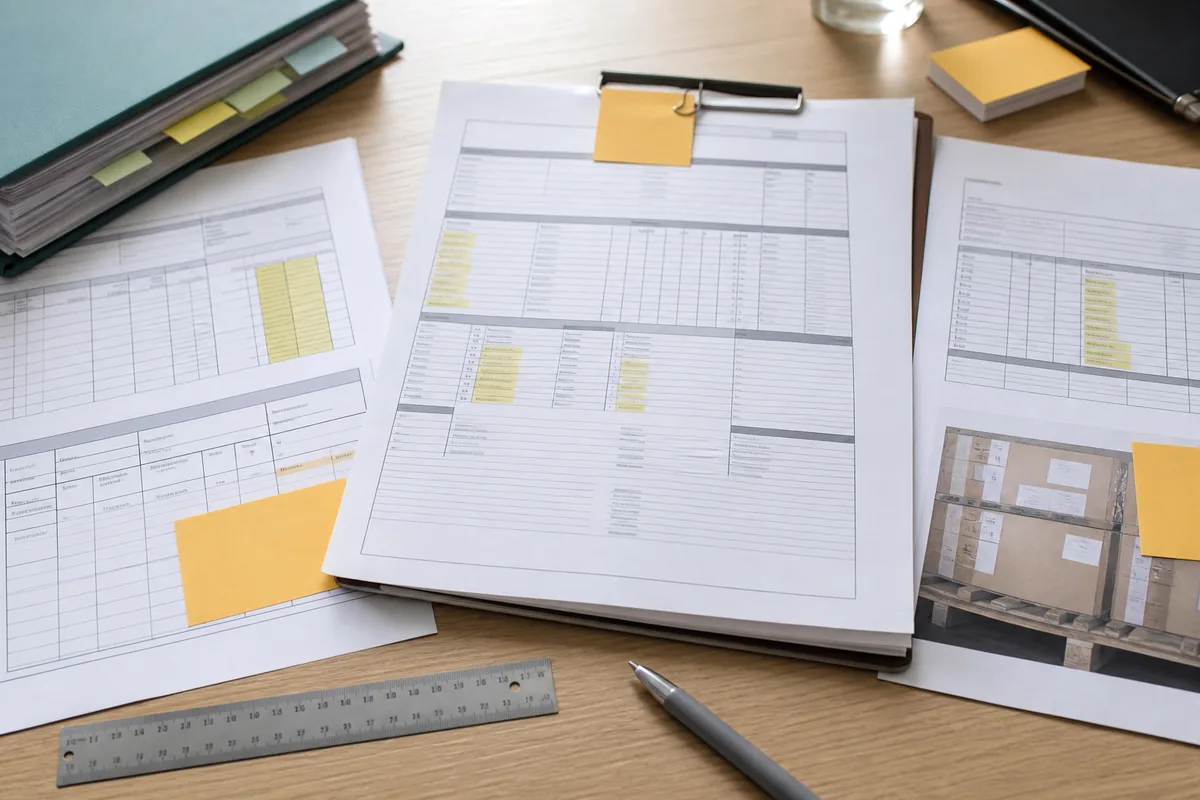
采购订单只写产品名称,工厂可能按生产 BOM 备料,仓库却按销售 SKU 收货。买方要建立面向交付的套装 BOM,列出主件、附件、紧固件、说明书和每套数量,并标明每个部件装在哪一箱。
生产耗材、维修备件和赠品不要混入标准套装数量。配件版本发生变化时,套装 BOM 同步更新修订号和生效批次。仓库和客户据同一版本判断是否齐套,避免工厂用新部件装箱、系统仍按旧结构收货。
每套产品需要一个套号
套号用于把分散纸箱归回同一套产品。企业可以使用订单号加流水号,例如 PO260618-001,并在该套的所有纸箱上重复显示。套号不能只印在一个外箱上,也不能用产品型号代替,因为同型号会有很多套。
序列化产品还要说明套号与主机序列号的关系。主机序列号可以成为套号来源,但附件箱仍应明确引用该编号。涉及客户隐私或防伪信息时,可使用受控编码,仓库系统保留解码关系。
纸箱位置写成可计算的字段
常见标记为 1/3、2/3、3/3,分母表示一套共有三箱,分子表示本箱位置。字段旁边显示套号、产品代码、部件名称和本箱数量。只写 Box A、Box B,跨批次混放后容易重复。
分母必须来自批准的包装方案。工厂临时把三箱改成四箱时,要更新全部箱标、套装分配表、装箱单和仓库预报,旧标签隔离作废。只在新增纸箱上写 4/4,会留下仍标 1/3 至 3/3 的不一致套装。
箱号与套号承担不同作用
箱号识别单个纸箱,套号表达几只纸箱属于同一套。分配表逐行记录箱号、套号、纸箱位置、内装物、净重、毛重和尺寸。每个箱号只能出现一次,同一套号下的位置不能重号或缺号。
供应商采用连续箱号时,买方还要看到起止范围和跳号说明。返工换箱、标签损坏或箱体合并都需要保留旧箱号、新箱号和原因。仓库不能从箱号相邻推断它们属于同一套。
物流标签识别实物单元
GS1 将 SSCC 用于唯一识别箱、托盘或包裹等物流单元。使用 GS1 体系时,每个实际物流单元分配一个有效 SSCC,并让扫描结果连接对应内装数据。企业使用内部条码也应保证编号唯一、可读和不重复使用。
SSCC 识别的是物流单元,不能自动表达多只纸箱组成一个销售套装。企业仍需在系统中保存 SSCC、箱号、套号和产品之间的对应关系。一个托盘有一个 SSCC,也不代表托盘内每只纸箱已经获得独立身份。
装箱单按纸箱展开
UN/CEFACT 跨行业出口装箱单业务需求把包装类型、包装件数、每件内装内容、唛头号码、净重、毛重和体积列入常见数据。多箱套装应在这些字段之外明确套号和纸箱位置,或附一份逐箱分配表。
商业发票可以按完整销售套计价,装箱单则要让物流和仓库看见每只箱的内容。两份文件的产品代码、套数和总数量应能对账。海关申报字段由进口责任人按目的国规则确定,不能为了仓库收货方便随意把商品拆成不准确的申报品名。
运输唛头保持简洁且一致
UNECE 第 15 号建议用标准运输唛头识别国际运输包装,减少错误、混淆和延误。企业可以把收货方简写、订单参考、目的地、包装号等必要信息放入运输唛头,再把套号和纸箱位置作为产品履约字段。
工厂、货代、承运人和仓库使用的唛头文本应来自同一个批准稿。标签太密会降低扫描与人工辨认效果,客户敏感信息也不宜无条件公开在外箱。详细部件数据可放条码或受控电子记录,外箱保留现场需要的字段。
托盘分配尽量保持整套相邻
同一套的纸箱放在同一托盘或相邻托盘,能够降低装卸时拆散的概率。托盘清单写明所含套号和箱号范围,外层标签显示完整套数、零散箱及其去向。缠膜前拍摄可读标签和摆放关系。
受重量、尺寸或装载平衡限制时,一套产品可能分到不同托盘。分配表必须明确跨托盘关系,并让仓库预先知道。现场临时调换纸箱后,操作员扫描新托盘位置,不能只在纸质清单上手写一个箭头。
集装箱或车辆装载也要保留套装关系
一票货分两个集装箱时,采购应决定是否允许一套跨箱装载。整套放入同一箱体便于到货齐套;确需拆开时,装载表列明每个套号所在的集装箱、封条号和纸箱位置。
分批出运更容易形成有主箱无附件箱的欠套。发运指示按完整套数批准,零散纸箱单独列为补件或例外。商业团队不能把总纸箱已经出完当作整套数量完成。
重量和尺寸要逐箱测量
多箱套装中,各箱内容不同,毛重和尺寸通常也不同。包装方案为每个纸箱位置设定基准,工厂称量后把实测值写入装箱单。异常偏轻可能提示缺件,异常偏重可能来自多装或包装材料变化。
重量只能作为筛查线索。两个不同部件可能重量接近,秤的精度和包装含水量也会造成差异。发现超出内部容差时,包装人员开箱核对部件与数量,不用改写标签数值掩盖问题。
出运前抽取完整套装复核
质量人员从已封箱成品中随机抽取若干套号,扫描该套全部箱号,逐箱检查标签、部件、数量和包装状态。抽样记录写明总体套数、抽取方法、样本套号和发现的问题,不能只挑摆在前排的展示套。
检验范围若只打开主箱,应明确附件箱未检查。买方根据缺件风险扩大样本或执行逐箱扫描。发现一个位置批量错装时,工厂隔离受影响箱号范围并返工,复检覆盖返工后的完整套装。
备用件不能填补标准套装短缺
订单可能另购备用螺丝、遥控器或电源。装箱单把标准套装部件和售后备件分开,使用不同产品代码和纸箱标识。仓库若把备用件分给缺件套装,会让后续售后库存失真。
工厂发现标准件短缺时,应报告缺口、受影响套号和补件计划。采购批准后才能调整套装内容或分批补发,并同步客户承诺。用赠品或相似部件临时凑套,需要走产品变更审核。
仓库预报要让系统识别父子关系
货到之前,买方把套装 SKU、部件 SKU、每套箱数、套号字段、条码规则和箱号清单发送给仓库。仓库确认系统能否按父子 SKU、组合商品或其他方式收货,并说明扫描哪个标签。
有些仓库按纸箱逐件上架,有些要求合并成销售套。采购不能假设仓库会从 1/3 标记理解业务关系。收货测试可先用一个模拟套号验证扫描、库存显示、拣货和出库单,再接收整票货。
收货按完整套数和例外数结案
仓库扫描所有纸箱后,系统计算完整套、缺箱套、重复箱和无匹配箱。收货报告同时列总箱数与完整套数。例如收到 299 箱并不能直接说明收到 100 套三箱产品,可能存在一个重复位置和两个缺失位置。
仓库隔离不完整套,避免客户订单提前拣走主箱。采购联系承运人和供应商查找短缺,并保留卸货照片、扫描时间、箱号和包装状态。补件到达后使用原套号或受控替换关系完成结案。
破损和遗失索赔精确到箱号
运输途中一箱破损,索赔记录应说明它属于哪一套、装了哪些部件、价值如何分配,以及其他箱是否仍可使用。商业发票按整套计价时,企业需要有合理且一致的内部部件价值分配,不能发生索赔后随意给损坏箱定价。
承运人、保险人和客户需要的材料因合同和保险条款不同。物流人员保存运单、签收异常、照片、重量、箱号和索赔时限。仓库不要销毁破损包装或重新贴标后才通知相关方。
网站产品页要提前说明多箱交付
大型家具、设备和组合产品可能分多个包裹送达。产品页可说明每套预计包裹数、各包裹主要内容、尺寸重量范围和可能分开到达的情形,并给客户提供识别包裹与报告缺件的方法。
凯乐丰的制造企业网站与产品资料规划服务可帮助企业组织产品结构、包装参数、交付说明和售后入口;套装 BOM、装箱、物流标签、仓库系统与运输索赔仍由制造企业、客户和服务机构按实际订单负责。
出现这些情况应暂停装运放行
- 交付 BOM 没有定义完整一套包含哪些部件。
- 套号、箱号和纸箱位置无法建立唯一对应。
- 包装箱数发生变化,旧标签和装箱单仍在使用。
- 物流标签只能识别托盘,无法回到托盘内纸箱。
- 装箱单只列总箱数,没有逐箱内容或分配附件。
- 跨托盘、跨集装箱或分批出运关系没有记录。
- 抽查只覆盖主箱,附件箱状态无法确认。
- 仓库尚未确认父子 SKU、扫描和齐套收货规则。
- 完整套数与纸箱总数无法对账。
产品人员维护交付 BOM,供应商包装团队生成套号和箱号,质量人员抽取完整套装,物流人员维护托盘与装载表,仓库核对收货和拣货规则。任一团队无法从箱号找到所属套装时,采购暂不批准提货或装运。
工作清单
- 冻结产品版本和交付 BOM。
- 为每套产品建立唯一套号。
- 为每只纸箱记录箱号和箱位。
- 连接套号、箱号、SSCC 与托盘位置。
- 按纸箱展开装箱单和重量尺寸。
- 记录跨托盘、跨箱体和分批关系。
- 随机抽取完整套装检查部件与标签。
- 向仓库发送套装结构和扫描规则。
- 按完整套、缺箱套和重复箱结算收货。
本文参考的一手资料
- UN/CEFACT:跨行业出口装箱单业务需求规范用于说明装箱单对包装类型、包装件数、逐件内容、唛头号码、重量和体积等数据的业务要求。
- UNECE:贸易便利化建议汇总用于说明第 15 号建议的标准运输唛头用途,以及贸易文件和编码标准化的范围。
- GS1:系列货运包装箱代码 SSCC用于说明箱、托盘或包裹等物流单元的唯一识别,不用于推定多箱产品已经齐套。
- GS1 物流标签指南用于说明物流单元标签、SSCC 和纸箱标签的识别关系及版面应用。
适用边界:本文提供多箱套装、装箱单、物流标签和仓库收货的资料核对方法,不构成海关申报、运输包装设计、仓库系统实施、保险或法律意见。具体标签、申报、承运与索赔要求须按产品、目的地、合同和服务商规则确认。