/ 验货差异 / 额外外箱 / 装箱控制
验货发现多出一个外箱时怎样处理
验货现场比订单或装箱单多出一个外箱,不能因为供应商说是“备品”或“免费赠送”就直接装走,也不宜在没有记录的情况下把它移出现场。先冻结外箱、确认里面是什么和属于谁,再判断它是否改变验货批次、商业单证、运输重量和收货指令。
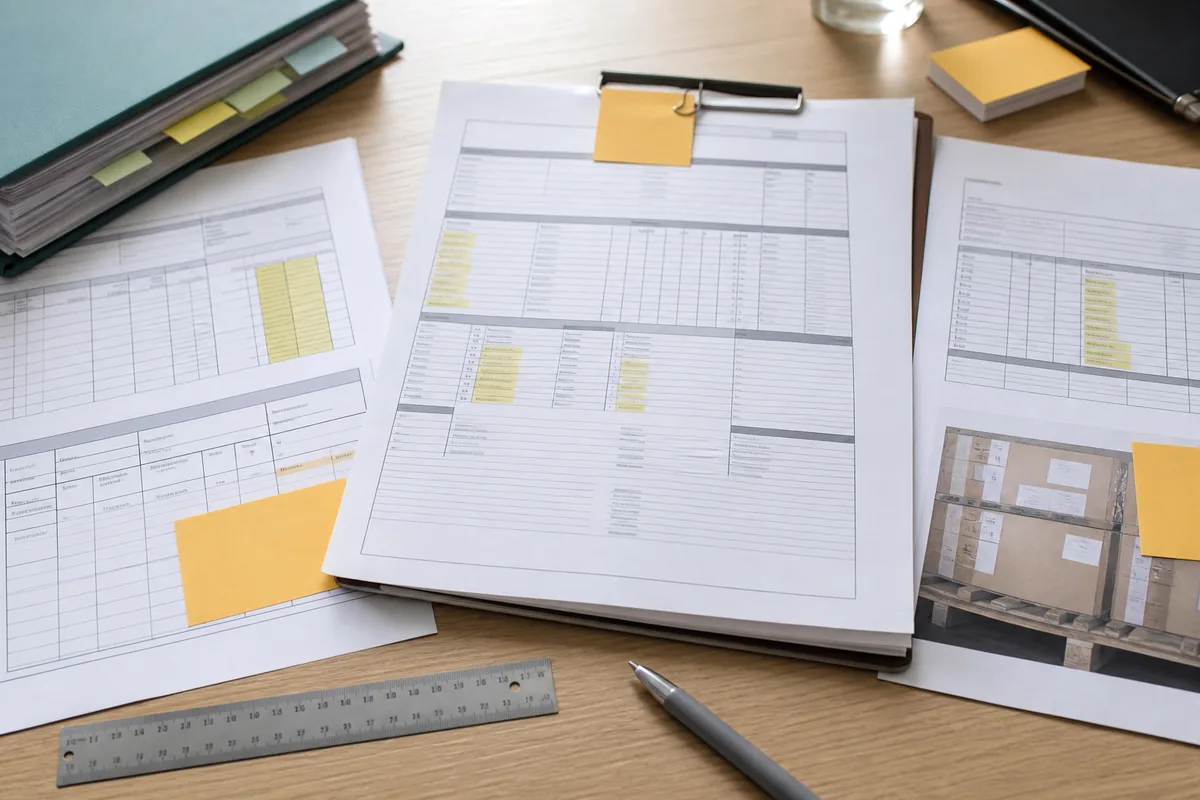
先冻结证据,不要搬动外箱
要求验货员暂时隔离该箱,并拍摄外箱六面、箱号、唛头、封口、尺寸、毛重和净重。按约定的验货权限开箱时,还应记录开箱前后状态、内装产品、数量、型号、包装和标识。若现场协议不允许开箱,由买方决定是否补充授权或继续暂停。
供应商应书面说明货物所有人、用途、对应订单、收货人和为什么没有列入原文件。常见解释包括备品、样品、工具、包装材料、超产货、其他订单货物或员工私人物品,但解释只是调查起点,不是放行依据。
确认它是否属于本次检验批次
若箱内是同一订单、同一规格并计划随本票出运,现场总数量和批次数量已经改变。采购方和质量负责人应通知验货机构更新现场数量,并判断原抽样范围是否仍适用。不要把额外数量悄悄加入报告结论,也不要只改装箱单而保留旧的验货批次数据。
ISO 2859-1:2026 提供按接收质量限进行逐批计数抽样的方案。它能支持批次和样本量的设计,但前提是受检批次已经被正确定义;该标准不识别货物归属,不保证未抽到的每一件无缺陷,也不能代替买方对混批和增量货物作决定。
若额外外箱是样品、备件、工具或其他订单货物,应把它从本次检验批次明确排除,并在现场记录中写清隔离位置和后续去向。排除不等于允许随主货出运,运输和单证仍需单独决定。
把实物和订单文件逐项对账
打开采购订单、最终商业发票、装箱单、验货委托、订舱资料和仓库预报,核对品名、SKU、数量、箱数、重量、价值、所有人、收货人和用途。一个“免费”外箱仍然具有真实内容、数量和运输影响,不能用零散聊天记录代替正式说明。
OASIS UBL 2.3 的订单和发运通知模型可以记录订单引用、发运行、运输处理单元以及全量或部分发运。这说明多一个处理单元时需要明确文件关系;它是业务数据模型,不是适用于每笔交易的法律结论,也不会自动证明该箱已经得到买方或海关接受。
联合国欧洲经济委员会的装箱单业务需求说明把装箱单作为连接商业和运输资料的文件,并允许贸易项目归入托运项目。它支持“货物应在单证中建立关系”这一控制思路,但装箱单本身不证明箱内实际内容,也不替代目的国申报和查验要求。
“免费赠送”不等于可以不记录价值
供应商若称该箱不收费,应要求说明货物的交易背景、用途、合理价值依据以及发票和申报拟怎样反映。WTO 海关估价资料强调估价制度应公平、统一、中性,避免使用武断或虚构的价值;它不直接给出某个目的国对免费样品、备件或工具的具体处理方式。
进口人应让目标市场的报关代理或合规负责人确认描述、数量、价值和申报方法。不要指导供应商把有实际内容的外箱写成“无商业价值”来绕开审查,也不要在没有依据时自行填一个象征性金额。
同步更新重量和运输记录
多一个外箱会改变件数、毛重、体积和仓库收货预报。若货物装入适用《国际海上人命安全公约》要求的集装箱,国际海事组织说明托运人负责提供经核实的集装箱总重,且它是装船条件之一。额外外箱应进入称重和总重计算。
经核实总重只回答重量问题,不授权箱内货物、不证明商业发票正确,也不代替海关申报。物流负责人应把最终箱数、重量和箱号同步给订舱方、仓库、报关资料制作人和收货方。
只保留有负责人和截止点的处理结论
处理结果通常有五种:纳入本订单并更改单证;作为独立货物另行出运;退还供应商;隔离等待买方决定;在合法且有记录的条件下处置。任何结果都应写明决定人、执行人、完成时间和所需证明,不使用“供应商已处理”这种无法复核的结论。
验货员负责冻结和记录现场事实,供应商负责解释来源并提供文件,采购和质量负责人决定批次及订单接受,物流和仓库更新箱数与收货指令,财务和进口合规人员确认发票、价值和申报影响。尾款或出货放行应由合同约定的责任人执行。
出现这些情况应继续暂停
- 供应商不能说明额外外箱的所有人、用途、内容或对应订单。
- 箱内 SKU、数量、批次或产品版本与书面解释不一致。
- 额外数量可能使原检验批次、样本量或缺陷结论失效。
- 货物涉及危险品、受控物品或目标市场需要单独许可的内容。
- 商业发票、装箱单、重量、订舱或仓库预报无法同步。
- 供应商要求隐藏该箱、拆掉标签或在报告中不记录。
- 该箱混入其他采购订单,收货方和费用承担人没有确认。
暂停不等于认定供应商欺诈。它表示实物与控制文件尚未闭合,负责团队需要先判断是漏记、混货、超产,还是未经授权加入货物,再决定补证、复检、退回或另行运输。
保存一条下一次能找到的记录链
保留原始和更正版验货报告、外箱照片、开箱记录、供应商解释、订单、发票、装箱单、称重记录、运输指令、仓库反馈和最终决定。ISO 15489-1 可支持这些记录的创建、捕获、责任、版本和检索管理,但不会替团队判断货物是否应该被接受或申报。
制造企业还可以把订单、装箱、检验、仓库和客户沟通中的字段纳入统一数字化流程。凯乐丰通过数字化业务流程帮助企业整理业务节点、字段和版本,减少资料在销售、工厂、物流和客户之间反复断开。
工作清单
- 隔离额外外箱,记录六面、箱号、封口、尺寸、重量和内容。
- 书面确认所有人、用途、对应订单、收货人和加入原因。
- 判断是否属于本次检验批次,必要时重算范围或安排复检。
- 同步核对订单、发票、装箱单、验货报告、订舱和仓库预报。
- 让目的国代理确认免费货物、样品或备件的描述和价值处理。
- 更新箱数、毛重、体积、箱号及适用的集装箱总重资料。
- 记录纳入、退回、隔离、另运或处置的责任人和完成证明。
- 实物、单证和责任链未闭合前,暂停尾款或出货放行。
本文参考的一手资料
- ISO 2859-1:2026 逐批计数抽样程序用于说明抽样方案依赖已定义的检验批次;不识别货物归属,也不保证全部产品无缺陷。
- OASIS Universal Business Language 2.3用于说明订单、发运行和运输处理单元之间可建立明确引用;属于数据模型,不是个案法律结论。
- UNECE:供应链管理装箱单业务需求规范用于说明装箱单与商业、运输资料及托运项目的关系;不证明箱内实际内容或海关接受。
- WTO:海关估价资料用于说明估价制度应避免武断或虚构价值;具体免费货物处理仍需目标市场专业意见。
- IMO:集装箱经核实总重用于说明适用海运集装箱的总重责任和装船条件;不授权货物内容或替代海关申报。
- ISO 15489-1:2016 信息与文件记录管理用于支持照片、报告版本、决定和交接记录的责任与检索管理。
适用边界:本文是验货差异和单证控制指南,不替代验货合同、产品合规判断、承运人要求、报关代理意见或目的国法律建议。