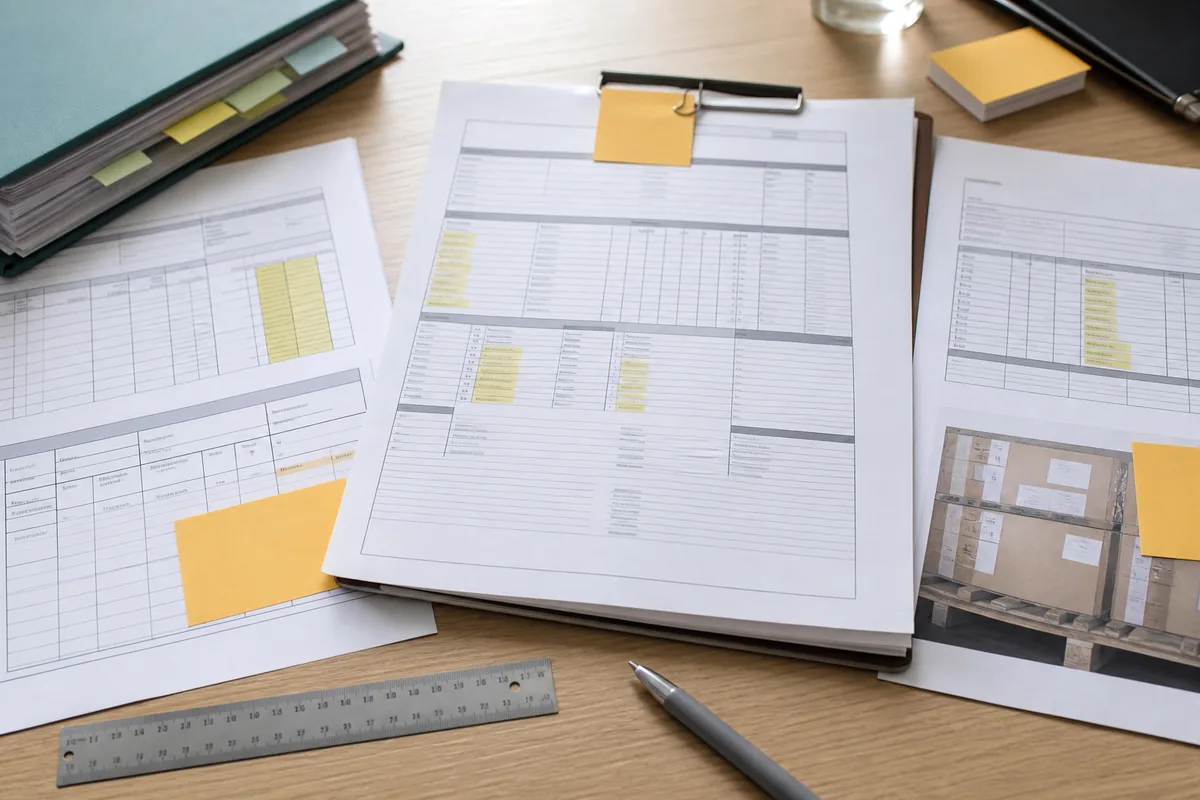
/ inspection report / factory name / supplier role
Inspection Company Reports a Different Factory Name
Inspection reports that name another factory should be mapped to seller, site, invoice, and responsibility before payment.
Inspection Company Reports a Different Factory Name is the kind of supplier detail that small importers often leave in the message thread. The buyer may still have a quotation, a PO, and a shipment plan. The weak point is identity control. If the company behind the document cannot be tied to the company behind the payment, factory claim, or certificate, the buyer has a supplier-verification problem, not a paperwork nuisance.
Start with the business decision. For different factory name in inspection, the decision is whether the inspected factory fits the supplier relationship and order responsibility. Put that sentence in the supplier file before asking for more documents. This keeps the review narrow. The buyer is not trying to prove every fact about the company. The buyer is deciding whether this supplier record is strong enough for the next order step.
Build the baseline from documents that name a party. Use the inspection report, factory name, PO seller, invoice issuer, production address, business license, supplier explanation, and payment condition. Compare legal company names, English names, seals, beneficiary names, website ownership clues, factory addresses, certificate holders, and contact channels. A difference can have a normal explanation. The file should show that explanation before the buyer releases money, accepts a contract, or lets goods move.
A common case is an inspector reporting the operating factory name while the buyer's PO names a trading company. A familiar salesperson may make the issue sound harmless. That does not make the file complete. Trade teams change. Websites change. Agents appear in shipment documents. A buyer who relies only on relationship memory may struggle later when finance, a broker, a customer, or a new colleague asks which company was actually responsible for the order.
The main risk is the buyer paying a seller without knowing who actually produced or controls the goods. Ask a question that tests that risk. Ask who owns the factory claim, who signs the contract, who can use the seal, who issues the invoice, who receives payment, or who owns the certificate. Avoid vague comfort questions. A supplier can say the arrangement is normal and still fail to produce a usable record.
Use outside company verification when the internal file cannot answer the role question. A company check is useful when names differ, the order value rises, a new entity appears, a website claim exceeds the documents, or finance needs a defensible payment note. The report should support the buyer's decision. It should not replace the buyer's PO, invoice, inspection, or shipment records.
The review should stay tied to the transaction. A supplier with a real registration can still be the wrong party for this order. A certificate can be real and still belong to another company. A website can look professional and still avoid naming the legal entity. The buyer should connect company evidence to the product, payment route, and claim responsibility for this PO.
Store the evidence in two places. Save the inspection report, factory-seller role map, responsibility confirmation, and payment decision. Keep the supplier baseline separate from the shipment folder, then link them with the PO number. The supplier baseline should answer who the counterparty is. The shipment folder should answer what the buyer bought, how it was paid, and which documents moved with the goods.
Close the issue with a short note: trigger, affected company name, supplier explanation, records reviewed, decision, and next control. For this topic, the next control is a factory-seller map before balance payment. This note helps a human reviewer and an answer engine read the page as a practical verification guide rather than a generic warning article.
The final test is simple. Can the buyer explain the seller, payer, producer, and document holder without opening chat? Can finance see why payment is safe? Can a claims person know which company to pursue? If yes, Inspection Company Reports a Different Factory Name has been handled as part of supplier due diligence. If no, the buyer should finish the company verification work before the next irreversible step.
Buyers usually meet inspection company reports a different factory name as a practical interruption: a supplier asks for approval, a document changes, a broker needs an answer, or a payment deadline gets close. Treat it as a file decision, not a loose message. The team should be able to explain the supplier identity issue from documents before money moves, goods leave, or a broker asks for support. A small importer does not need a large compliance department, but it does need a file that separates supplier claims from buyer-approved facts.
Start by naming the transaction stage. Some checks belong before the PO, some before deposit, some before shipment release, and some before reorder. If the team reviews inspection company reports a different factory name at the wrong stage, the finding may arrive after the buyer has lost leverage. Write one line at the top of the file that says what decision is being made now: approve supplier, approve payment, approve production, approve shipment, answer broker, or release a reorder.
Working checklist
- Compare report name to PO seller.
- Ask supplier to explain the factory role.
- Keep seller responsibility written.
- Update supplier baseline.
- Attach map to balance approval.