/ 月台收货 / 运输货损 / 索赔证据
仓库正式收货前发现入库损坏怎样处理
货车到达月台,仓库发现托盘倾斜、纸箱被压或底层有水迹,司机却催促签一张无异常的送货单。此时签收、卸货、库存入账和索赔是四个不同动作。仓库要先保证人员与货物安全,在交接状态仍能看清时固定证据,再决定拒收、带异常签收或卸入隔离区。
先处理倾倒、泄漏和污染风险
仓库人员发现托盘失稳、化学品泄漏、锐物外露或受潮带电设备时,立即停止靠近和随意搬动。现场负责人按仓库安全程序设置隔离,联系具备相应能力的人员处理。司机催签或预约超时不能压过人员安全。
未经评估就开箱,可能扩大货损或破坏原始状态。仓库可以从安全距离拍摄,但不要为了取证攀爬货堆、进入不稳定车厢或触碰未知液体。
记录货物正处在哪个交接节点
异常记录写明车辆到场、开门、开始卸货、发现损坏和签收的时间。还要标明货物位于车厢、月台、暂存区还是仓库货位,以及当时由司机、承运人分包方或仓库谁在操作。
“收货前”在企业系统里可能指尚未创建收货单,也可能指货物尚未从承运人交付。团队从运输合同、送货凭证和实际控制状态判断,不能只看 WMS 是否点击完成。
在移动货物前拍完整现场
照片从车辆外观和车牌开始,随后覆盖封识、车门、车厢整体、各托盘位置、绑扎与填充、受损外包装、箱唛和近景细节。相机保留原文件时间与顺序,避免只剩裁切后的聊天图片。
受潮货物增加地板、车顶、相邻货物和水迹方向;压损货物拍托盘叠放、空隙和受力位置。仓库用一张纸或电子记录把照片编号与托盘号、箱号连接。
让送货签注写出可识别事实
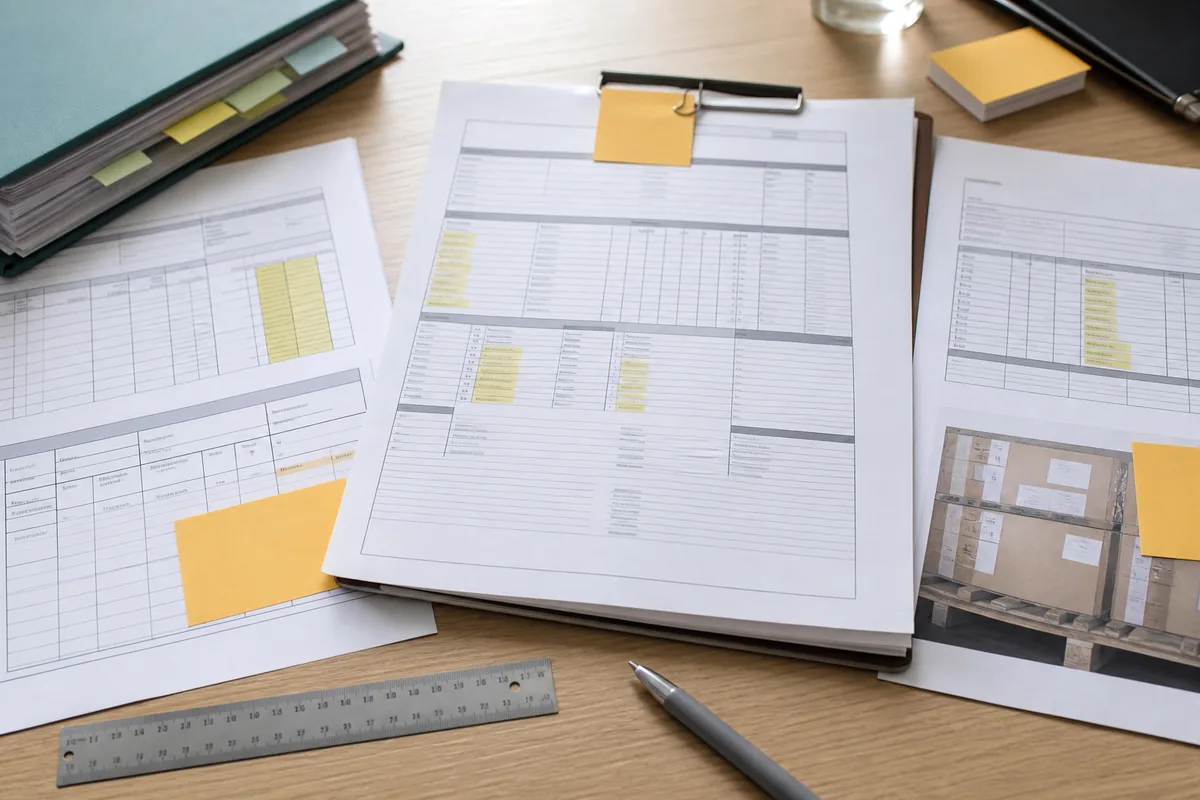
送货单或电子签收写明可见损坏类型、位置和数量,例如“托盘 P03 外膜破裂,箱 21 至 24 受压,其中两箱底部潮湿”。“外观异常”或“有损坏”缺少箱号与范围,后续很难与检验结果对应。
司机拒绝共同签注时,仓库记录拒绝情况、在场人员和时间,并通过承运人调度或平台提交异常。仓库保留签收页面和发送回执。具体系统能否附图、签注是否影响权利,要看运输合同和适用规则。
清点包装单元而非只点托盘
破损托盘可能仍显示一个完整托盘数,但内部已经少箱。收货人员按装箱单核对托盘号、箱号、SKU、数量、毛重和封条,标出缺失、开口、重贴或无法识别的包装单元。
现场条件不允许逐箱清点时,记录暂时确认的层级和待复核范围。例如只确认收到 8 个托盘,尚未确认 160 箱齐全,系统就不能直接写成全部商品数量已收。
带异常卸货时建立隔离区
仓库决定卸货不代表接受货物完好。受损、疑似受潮和外观正常的包装分别贴状态标识,放到指定隔离位置。WMS 使用“待检”“异常收货”或企业已有状态,避免进入可销售库存。
仓库记录每次移动、换托盘和重新缠膜。为了防止继续倒塌而采取的加固属于减损动作,现场人员在操作前后拍照,并保存被拆除的原包装和标签。
开箱检验要能追到原包装
质量人员制定开箱范围,优先查看外箱受力点、底层潮湿区和相邻箱。每件样品沿托盘号、箱号、SKU 和批次编号回溯,检验表区分包装损坏、产品外观损坏、功能异常和数量短缺。
外箱压痕不能直接证明产品报废,完好外箱也不能排除内部冲击。团队根据产品特性安排干燥、绝缘、功能或尺寸检查,需要第三方检验时保留原状态供其查看。
把买卖风险与承运索赔分开
买卖双方在合同中采用 Incoterms® 2020 规则时,该规则帮助分配特定运输义务、费用和货损风险。ICC 也明确这些规则不能覆盖合同的全部法律和操作问题。货物在目的仓损坏,不足以单凭到货地点判断供应商必须赔偿。
团队核对订单中的完整贸易术语、指定地点和版本,再看风险转移时点、承运合同、保险和供应商包装义务。买方已经承担运输风险时,仍可能因供应商包装不符合约定而另有合同请求;两条责任链分别记录。
按实际运输制度确认通知期限
不同运输方式、路线和合同采用不同通知要求。UNECE 的 CMR 公约第 30 条在适用的国际公路运输中,区分表面可见与非表面可见损坏的保留时间,并要求双方为调查提供合理便利。团队不能把其七日安排套到不受 CMR 管辖的海运、空运或国内运输。
UNCITRAL《汉堡规则》第 19 条也规定了该公约适用海运中的损坏通知框架。公约是否适用取决于缔约状态、运输合同和路线。企业应当从提单、运单、承运条款与保险单找出本票截止时间,发现异常当天先发保留权利的书面通知。
异常签注不等于正式索赔
美国 49 CFR Part 370 只适用于其规定范围内的汽车承运人和货运代理索赔处理。第 370.3 节要求书面索赔能识别货件、主张责任并提出确定或可确定的金额;破损报告、送货单签注或检验报告单独存在时,不满足该条列出的最低索赔要求。
这项美国规则说明了现场证据和正式索赔的功能差异。其他法域与运输方式也应按合同提交具名索赔,写明运单、货件、事实、金额或计算方式及附件,并保存承运人接收确认。
同时通知承运人、保险方和供应商
物流负责人向承运人发送初步异常通知,列车辆、运单、发现时间、包装数量和证据位置。投保货运险时,保险责任人按保单通知保险人或理赔代理,确认是否需要指定检验人。
采购把同一事实包发给供应商,请其提供出厂包装、装柜或装车、封识、重量和放行记录。供应商回复“交给承运人时完好”仍要与照片、包装设计和交接凭证核对。
保全货物并控制减损
在承运人、保险人或供应商完成必要检验前,仓库不擅自销毁、返工或重新销售争议货物。若安全、腐败或库容要求必须处理,责任人提前发出通知,记录处理理由、数量、方法和回收价值。
可修复、可降级销售和完全报废的货物分开。企业计算索赔时扣除可实现的残值或按适用规则处理,避免重复向承运人、保险人和供应商索取同一损失。
用文件和实际成本计算损失
索赔底稿连接商业发票、装箱单、运费、检验费、返工费、处置费和可回收价值。美国 49 CFR 370.7 在其适用范围内列出提单、运费证据、发票或价值证明等调查材料。
企业还要区分商品价值、销售损失、客户扣款和内部人工。某项成本能否索赔由运输合同、保单、买卖合同和适用法律决定,底稿应写事实与计算,不先把所有业务损失都归给同一方。
仓库正式收货时保留异常状态
完成必要清点后,仓库可以按授权创建异常收货记录。收货单列实际到达数量、隔离数量、缺失数量和待检状态,不把采购订单数量自动复制为合格库存。
财务和采购确认异常是否影响应付、尾款或供应商贷项。仓库后续把合格品转入可用库存时保留原收货批次,受损品的状态变化也要有批准人和日期。
用货损复盘修正包装和收货资料
团队将照片与供应商包装规范、托盘堆码、箱体强度、绑扎、运输路线和仓库卸货方式对照。原因可能来自包装设计、装载、运输冲击或月台操作,调查结论需要相应证据。
制造企业官网适合展示可核实的包装方式、出货检验和异常响应流程,不宜承诺运输途中绝无破损。凯乐丰的制造企业网站与外贸资料规划服务可协助整理包装参数、交付流程和售后资料;承运责任、保险赔付与合同索赔仍由交易各方和专业人员判断。
出现这些情况应暂停清洁收货或处置
- 托盘倾倒、泄漏或污染对人员构成风险。
- 司机要求无异常签收,现场损坏尚未记录。
- 托盘数已确认,箱号与商品数量仍未清点。
- 受损货物准备直接进入可销售库存。
- 开箱样品无法追到原托盘、箱号和批次。
- 运输合同、保单或索赔截止时间尚未找到。
- 承运人、保险人要求检验,仓库却准备销毁货物。
- 供应商包装记录与到货状态相互冲突。
- 同一损失被重复计入多条索赔。
仓库负责人控制现场与收货状态,质量人员检验产品,物流人员通知承运人,保险责任人联系理赔方,采购核对供应商包装与买卖合同。安全状态、包装单元或通知期限有一项无法确认时,货物留在隔离状态。
工作清单
- 停止不安全的卸货、开箱和搬运动作。
- 记录车辆到场、开门、发现损坏和签收时间。
- 拍摄车辆、车厢、托盘、箱号和损坏细节。
- 在送货凭证写明位置、类型和数量。
- 按托盘号与箱号核对实际到货。
- 把受损和疑似受损货物转入隔离状态。
- 按原包装单元安排开箱及产品检验。
- 分别核对贸易术语、运输合同和保险通知。
- 向承运人提交符合适用规则的正式索赔。
- 保留货物、残值、费用和最终库存调整记录。
本文参考的一手资料
- ICC:Incoterms® 2020用于说明买卖合同中运输义务、费用和货损风险的分配范围;不替代承运合同、保险和货损事实调查。
- UNECE:Convention on the Contract for the International Carriage of Goods by Road用于说明 CMR 适用国际公路运输的外观检查、损坏保留及调查框架,不外推到所有运输方式。
- UNCITRAL:United Nations Convention on the Carriage of Goods by Sea,Hamburg Rules用于说明该公约适用海运中的损坏通知框架;是否适用须结合缔约状态、路线和运输合同。
- eCFR:49 CFR Part 370用于说明美国规定范围内的货损索赔最低书面内容、调查材料和现场签注与正式索赔的区别。
适用边界:本文提供入库前货损的记录与协作方法,不构成运输、保险、仓储、买卖合同或法律意见。通知期限、责任限制、风险承担和可赔项目应以本票运输方式、路线、合同、保单及适用法律为准。