/ 模具维护 / 复购生产
工厂称旧模具正在维护时怎样处理
复购订单准备排产时,工厂突然表示旧模具正在维护,并建议改用另一套模具、其他模穴或维修后的模具继续生产。维护本身很常见,也不能仅凭这句话认定工厂隐瞒事实;真正需要控制的是生产版本是否改变、谁批准改变,以及首批产品能否追溯到明确的模具和模穴。
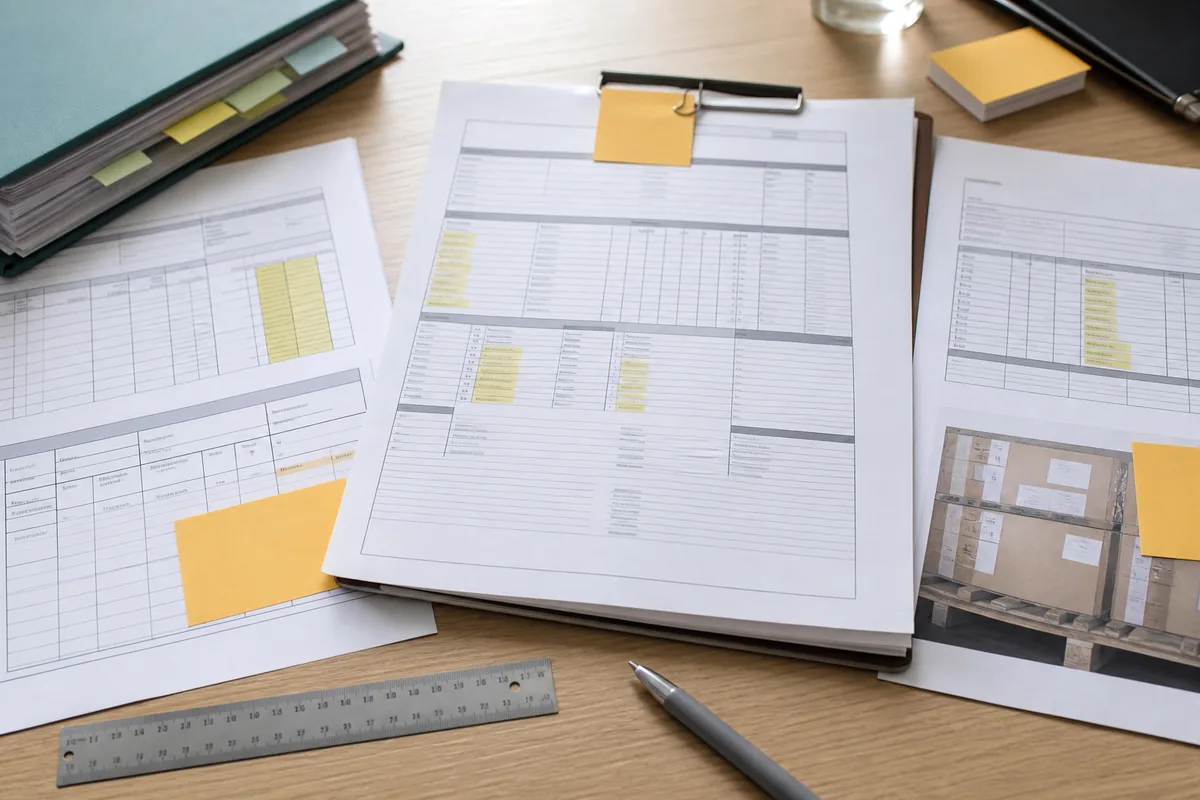
先暂停生产版本放行,不先争论真假
书面要求工厂暂缓使用未经确认的替代模具、模穴或嵌件,并说明现有订单是否已经开料、试模或量产。采购方此时不需要先判断“正在维护”是真是假,而要先防止一个没有身份记录的新生产方案变成既成事实。
延期、维修费和停线成本可以单独讨论。不要因为交期紧,就把“先生产、后补样”当成默认选择;也不要只在聊天中同意“看起来一样”,却没有说明同意的是维修、试模还是正式量产。
把具体模具和维护对象锁定
要求工厂提供模具编号、所有权人、存放地点、当前保管方、模穴数量、嵌件版本、上次生产日期和维修历史。若一套模具包含多个模穴,还应说明本次维护影响全部模穴还是其中一部分,以及旧订单实际使用过哪些模穴。
维护记录至少应写明故障或磨损位置、开始日期、计划完成日期、维修项目、经办人员、替换零件以及维护前后的照片。只有一句“模具保养中”,既不能确认受影响范围,也不能证明后续产品仍来自原批准工具。
先问清工厂准备怎样生产
不同方案不能共用一句批准。工厂的安排通常落在以下几类:
- 原模具维护后继续使用:重点检查维修是否改变尺寸、表面、浇口、冷却或成型稳定性。
- 改用同一模具的其他模穴:要核对模穴差异、模穴标识和历史批准范围。
- 更换嵌件或局部结构:要确认修改图、版本、受影响特征和试模结果。
- 临时改用另一套模具:应按新的生产工具建立身份、样品和放行记录,不能只写“备用模”。
- 新开模或转移模具:还需确认所有权、制造地点、验收责任和原工具处置。
工厂若无法明确属于哪一种,采购方也就无法设置相应检查和付款条件。
恢复原批准基线再比较
找出上一批真正获批的实物样品、图纸版本、关键尺寸、公差、材料、表面要求、装配配合、包装适配、模穴标记和验货记录。把这些资料与本次拟使用的模具方案逐项比较,并把客户特殊要求放在同一张差异表中。
ISO 20457:2026 于 2026 年 8 月发布,替代了 2018 版,可为塑料模塑件的几何与尺寸公差以及验收条件提供通用参考。不过它明确不覆盖缩痕、流痕、粗糙度和结合线等表面缺陷,也不适用于所有产品和工艺。因此,标准不能替代产品图纸、批准样、外观限度样或客户专门要求。
维护完成后先试模,不直接恢复整批量产
要求工厂用完成维护后的具体模具和模穴制作试模样品,并在样品、照片和测量报告上标注模具号、模穴号、日期、材料批次和工艺版本。样品应覆盖本次维护可能影响的特征,而不是只挑一个容易合格的外观面。
工程或产品负责人核对尺寸与功能,质量负责人核对外观、测量和追溯,采购负责人确认交期与费用。若客户拥有最终批准权,应在量产前取得客户书面意见。试模合格只代表被检样品和规定项目满足要求,不自动批准所有模穴、全部工艺窗口或后续每一件产品。
首批量产要单独识别并提高可见性
维护后的首批产品应建立独立批次,生产记录要能回答使用了哪套模具、哪些模穴、哪批材料、何时生产以及谁完成首件确认。不要把维护前库存、试模件和维护后量产混在同一无法拆分的批次中。
检验范围应根据维护项目调整。若维修涉及型腔尺寸、嵌件、浇口或顶出结构,就把对应尺寸、装配、外观和功能写进检查指示。单纯沿用上一批通用验货表,很可能看不到本次变化真正产生的风险。
正确理解抽样验收的边界
ISO 2859-1:2026 提供按接收质量限量化的逐批计数抽样程序,可用于设计批次接受抽样。它不会替采购方选择适当的 AQL、检查等级、缺陷分类和样本范围,也不能证明未抽中的每件产品或未检查特征都合格。
抽样计划应写清批次边界、模穴覆盖、检查项目、严重程度和拒收后的处理。对于维护直接影响的关键尺寸或功能,必要时可增加首件、巡检、末件或全数检查,而不是只增加几张外观照片。
把几个“批准”分开记录
模具维护完成、试模样品通过、量产放行、批次验收、尾款批准和出货放行是不同节点。建议分别指定责任人:
- 工厂提供模具身份、维护记录、试模和生产追溯。
- 工程或产品负责人确认尺寸、功能和版本差异。
- 质量负责人确认样品、检验范围和批次结果。
- 采购负责人处理交期、费用和供应商承诺。
- 财务依据已完成的付款条件执行尾款,不替代技术批准。
ISO 9001 审核实践组关于外部供方的资料可用于检查采购要求、关键组件风险和外部供方持续满足规格的能力。该资料自身说明未获 ISO 或 IAF 正式认可,因此只能作为过程检查思路,不能证明本次模具或产品合格。
出现这些情况应继续暂停
- 模具编号、所有权、存放地点或实际使用工具无法确认。
- 工厂改用另一模具、模穴或嵌件,却未书面说明。
- 维护项目可能影响产品,但没有维护记录或前后对比。
- 未提供维护后的试模样品,或样品不能追溯到具体模具和模穴。
- 维护前库存、试模件和维护后量产已经混批。
- 供应商要求先付尾款或先出货,再补充试模和检验资料。
继续暂停不等于已经判定工厂违约。合同责任、维修费用和延期损失仍需结合模具协议、订单条款、所有权证据和双方书面承诺判断。
让下一张订单能直接复用这次记录
保存模具台账、维护申请、故障说明、维修照片、修改图、试模样、测量报告、批准意见、首批生产记录、检验结果和付款放行。ISO 15489-1 可用于支持记录的创建、捕获、版本、责任和检索管理,但不判断模具维护质量或产品是否合格。
如果模具状态、产品版本或交付能力也影响网站、产品目录和销售资料,应同步检查对外内容是否仍准确。凯乐丰可通过数字化业务流程帮助制造企业连接模具台账、产品资料、订单版本和网站内容,减少生产已经变更、销售资料仍沿用旧版本的问题。
工作清单
- 暂停未经确认的替代模具、模穴或嵌件投入量产。
- 锁定模具编号、所有权、地点、模穴、版本和历史订单。
- 取得维护原因、范围、日期、责任人和前后照片。
- 确认工厂拟采用的实际生产方案及其差异。
- 用原批准样、图纸和验货记录建立比较基线。
- 维护后先做可追溯试模,再决定量产放行。
- 单独识别首批生产并覆盖受影响模穴和特征。
- 分开记录技术批准、验货、付款和出货节点。
本文参考的一手资料
- ISO 20457:2026 塑料模塑件公差与验收条件用于说明塑料模塑件几何和尺寸公差的通用框架及其表面缺陷等适用边界;不能替代产品图纸和批准样。
- ISO 2859-1:2026 按 AQL 检索的逐批计数抽样程序用于说明批次接受抽样的框架;不替采购方决定 AQL、缺陷分类、覆盖范围或关键特征检查方式。
- ISO 9001 审核实践组:外部供方审核指引用于说明采购要求和外部供方控制的检查思路;该资料自身声明未获 ISO 或 IAF 正式认可。
- ISO 15489-1:2016 信息与文件记录管理用于支持模具维护、试模、批准、检验和放行记录的版本与责任管理。
适用边界:本文是采购、模具和质量控制指南,不替代模具所有权协议、合同解释、产品工程判断、客户批准或目标市场的专门法规要求。