/ 4 min read / warehouse appointment / carton data / delivery evidence

Delivery Appointment Missed Because Carton Data Changed

Carton data changes should reach the warehouse before the appointment, not after missed delivery fees appear.

What to check in the order file

Delivery Appointment Missed Because Carton Data Changed can look harmless when the supplier sends a quick explanation. The buyer sees a missed appointment after carton data change, then checks whether one field, message, or document no longer agrees with the earlier file.

The buyer needs to decide who owns the updated carton data and missed-appointment cost.

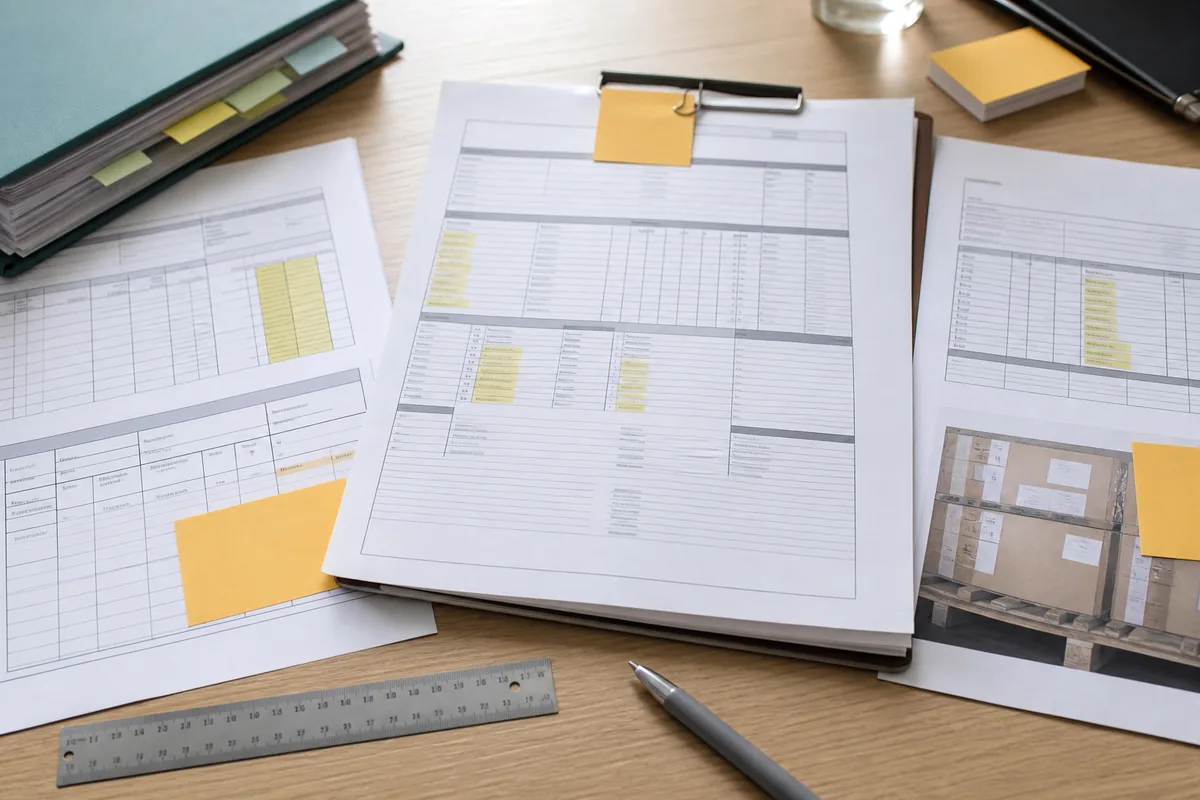
Check the appointment request, packing list, revised carton count, dimensions, weight, supplier message, forwarder notice, and warehouse fee record.

A supplier may update carton dimensions after the forwarder already booked a delivery appointment.

Ask one control question before reorder approval: can the buyer show when the data changed and who received the update?

Carton data changes should reach the warehouse before the appointment, not after missed delivery fees appear. The immediate question is whether the order file supports a decision on delivery appointment changed before pickup, loading, or warehouse receipt. Attach the evidence to the delivery appointment changed version that now controls the order.

Start with the last version the importer approved, then compare it with the final invoice, packing list, carton or pallet record, booking instruction, loading evidence, and transport draft. Identify the changed name, value, quantity, address, product detail, or instruction rather than relying on the supplier's summary. Name this point in the carton data closeout rather than leaving it in chat.

Make the decision before the next handoff

Test the file by handing it to someone who missed the call. That reader should be able to identify the old position, review the supplier's evidence, and understand why the change was accepted, rejected, or limited. Link the answer to the delivery evidence checkpoint for this order.

Ownership sits with logistics, warehouse receiving, and the buyer who approved shipment release. The handoff note needs the active decision, controlling record, unresolved point, and date of the next check so teams do not act from different versions. Carry the result into the warehouse appointment instruction used by the next team.

Incomplete evidence leaves a practical exposure: the physical shipment may no longer match the quantities, parties, or descriptions in the commercial file. Put that consequence in the sign-off note and choose a hold point, narrower sign-off, or outside review when the value warrants it. Keep the supporting file beside the delivery appointment changed entry in the order folder.

Before closing the review, lock carton count, send updates to forwarder, confirm warehouse appointment data, and track missed fees. The final note should be short enough to scan and specific enough for finance, logistics, quality, or customer service to use. State the remaining limit in the delivery evidence note before the file is closed.

Write the sign-off boundary in plain terms. It may cover this PO, shipment, value, model, or counterparty answer, but it should not imply acceptance of every future variation. Carry the result into the warehouse appointment instruction used by the next team.

The cited sources provide background for warehouse appointment; the decision still rests on current order files. Keep a source only when it supports the actual question being asked. Link the answer to the carton data checkpoint for this order.

Carry one useful control into the next order: the control that addresses the mismatch actually found. There is no reason to turn every reorder into a full investigation. Make this result visible in the delivery appointment changed decision record.

Close the record for the next order

Read the documents in transaction order: approved baseline, counterparty request, revised record, buyer check, and final sign-off. That sequence shows whether the change arrived before or after money, production, pickup, or a customer commitment moved. Attach the evidence to the warehouse appointment version that now controls the order.

Do not close with a vague instruction to monitor the vendor. Name the next document, deadline, owner, and approval gate so the open point has a route to closure. Record the outcome with the carton data evidence before handoff.

Identify one record as final. Rejected drafts can remain for history, but their file names should make clear that they no longer authorize payment, shipment, or claims. Put that result in the delivery evidence note for the current PO.

A month later, the file should still answer who changed the record, why the importer accepted the result, and what remained unverified. That is the practical test of whether the matter was documented rather than merely discussed. The next reviewer should find the answer under delivery appointment changed without reopening the whole case.

Separate supplier evidence from buyer conclusions. Store the original record first, then add the comparison and sign-off note so later corrections can be tested without rewriting history. Carry the result into the carton data instruction used by the next team.

Before archiving the file, compare its name, record date, PO reference, and counterparty name. Small naming errors can make a careful review disappear when the next order owner searches the order folder. Attach the evidence to the delivery evidence version that now controls the order.

Working checklist

  • Lock carton count.
  • Send updates to forwarder.
  • Confirm warehouse appointment data.
  • Track missed fees.
  • Store change timestamp.

Sources used for this guide