/ 材料变更 / 测试 / 量产控制
接受替代材料前怎样完成差异审核
量产前两周,供应商说原树脂缺货,建议换成“同等级国产料”。新材料的数据表中拉伸强度相近,阻燃等级的试样厚度却不同,也没有当前颜色的化学测试。若团队只看“同等级”三个字,样品批准、合规文件和客户承诺都会失去对应对象。
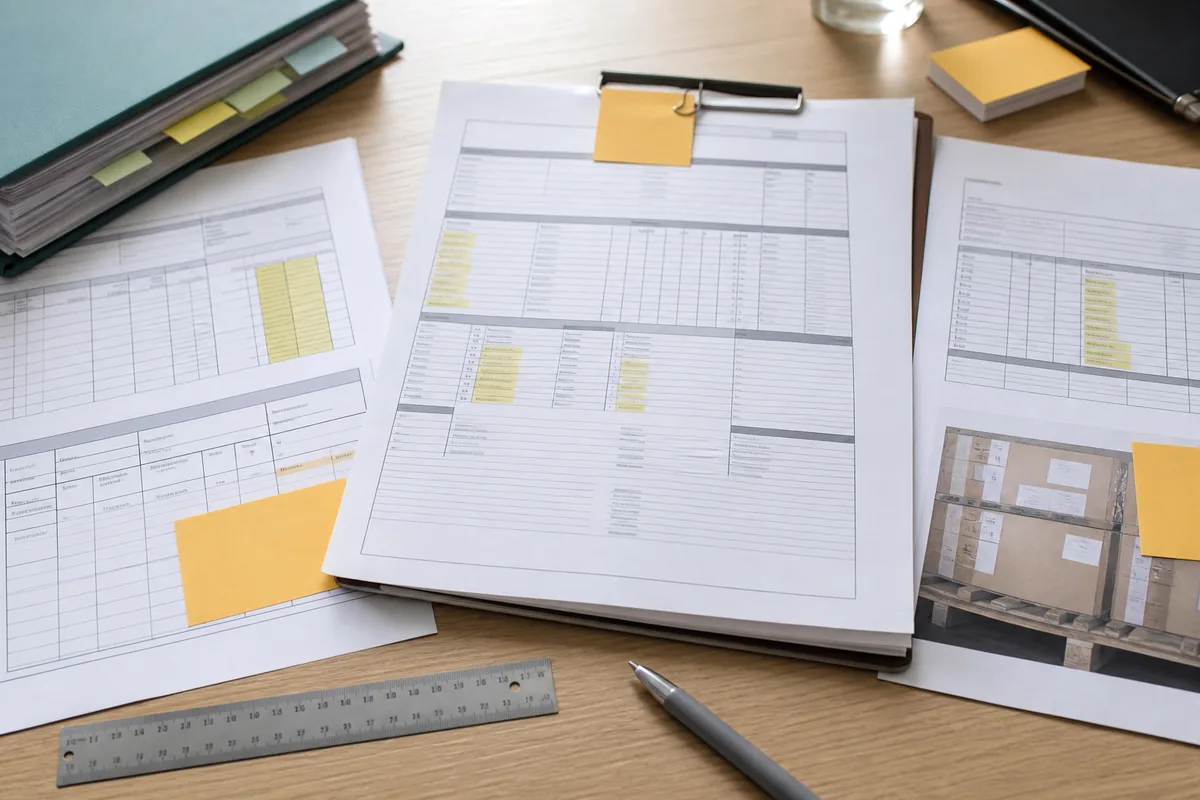
供应商提出换料后先冻结使用
采购人员记录提出人、时间、缺料原因、受影响订单、数量和计划使用日期。工厂隔离替代料,不领料、不混料,也不把它用于批准样或首件。
交期压力可以进入商务评估,但不能先使用后补审批。供应商已经投料时,质量负责人隔离相关在制品和成品,等待身份与风险判断。
把原材料基线固定下来
原基线包括制造商、牌号、等级、颜色、配方版本、材料规格、批准样、测试报告、声明、原料批号和加工参数。若采购订单只写“ABS”或“食品级硅胶”,应先补足可识别的材料要求。
业务名称相同的材料可能含不同添加剂、填料或着色剂。原资料不完整时,团队无法准确说明替代料改变了什么,批准范围也会失去边界。
新材料身份要追到制造商和牌号
供应商提供原制造商数据表、牌号、生产地点、批号规则、授权经销链和样品标签。内部改写的数据表只能作为索引,关键参数要回到材料制造商文件核对。
“相当于某牌号”“客户都在用”或一个材料简称不足以证明身份。回收料比例、颜色母粒、阻燃剂和增塑剂也应写入材料结构。
技术差异按产品功能展开
工程人员比较机械强度、硬度、尺寸稳定、耐温、耐候、耐化学、阻燃、电气、光学、气味或生物相容等适用性能。每个参数同时记录方法、试样条件、单位和限值。
数据表上的典型值不能直接替代产品规范。两个数值相近,也可能因测试厚度、温度、方向或样品处理不同而不可比较。
加工窗口会改变成品表现
材料更换可能影响干燥、混合、注塑温度、压力、冷却、固化、涂覆和粘接。工程人员评估现有模具、设备、工装和检测方法能否继续使用。
新材料需要更高温度或更长周期时,供应商给出试产参数和不良记录。团队不能把试样性能直接推到未经验证的量产工艺。
颜色和外观也进入批准范围
替代料可能改变色差、光泽、纹理、透明度、缩水、熔接线和印刷附着。外观人员在约定光源和限度样下比较,记录仪器数据及目视结论。
供应商用调色剂补偿时,调色剂本身也属于变化。新增成分需要进入化学和法规评估,不能只看成品颜色恢复正常。
法规要求按产品和市场映射
合规人员列出每个销售市场、产品类别、材料位置和适用法规,再检查新材料能否继续支持原有声明、证书和技术文件。供应商说“环保料”没有明确的法规范围。
美国消费品、欧盟电气电子产品、食品接触材料或医疗用途采用不同规则。某市场通过不能外推到其他国家,也不能从原料合规直接推导整机产品合格。
美国消费品的实质变化作为法域例子
美国 CPSC 对一般用途消费品的指导指出,设计、制造过程或零部件来源发生可能影响合规的实质变化时,应针对受影响要求重新测试,并可能更新 GCC。
CPSC 对儿童产品给出更明确的材料变化测试要求:产品、工艺或组件来源的变化若可能影响合规,需要对变化后的组件或成品进行相应第三方测试并更新 CPC。该规则只用于适用的美国儿童产品,不是全球通用程序。
欧盟物质信息需要重新确认
ECHA 说明,欧盟市场上的物品含候选清单高度关注物质超过相应浓度条件时,特定供应商需要提交 SCIP 信息。材料替换后,企业重新取得物质信息并判断物品层面的义务。
欧盟 RoHS 对适用电气电子设备中的特定有害物质设置限制。新材料的声明、检测或供应链数据应覆盖实际牌号、颜色和制造地点;一张通用“RoHS”声明不能自动覆盖全部变体。
声明文件逐字段核对
材料声明、SDS、成分披露、符合性声明和检测报告写明签发主体、材料牌号、颜色、批号或适用范围、法规版本、日期和有效条件。文件中的供应商名称与实际供货链不一致时,要求解释。
SDS 主要用于危险信息沟通,不能承担所有性能或产品合规证明。团队按文件用途取证,不用一份资料替代整组审核。
测试计划只覆盖受影响的风险
工程和合规人员从差异表确定要做材料测试、部件测试、整机测试还是组合验证。结构、粘接或阻燃行为受材料影响时,只测原料成分可能不够。
ISO/IEC 17025 规定检测实验室能力、公正性和一致运行的一般要求。实验室能力可以支持测试可信度,仍不能证明送检样品来自当前工厂和当前原料批次。
送检样品建立可追溯链
记录替代料批号、取样人、封样时间、试产设备、工艺参数、部件编号和实验室接收信息。样品照片把材料标签、部件和订单放在同一记录中。
供应商专门制作的测试样与量产条件不同时,报告不能直接覆盖大货。高风险材料可由买方或检验机构现场抽样,并保留同批留样。
产品验证连接实际使用场景
样件完成尺寸、装配、功能、寿命、环境、跌落、化学或客户指定测试。验证条件对应真实负载、温度、接触介质和使用周期。
一次短时功能通过不能回答长期老化、迁移、疲劳或售后风险。工程人员说明未覆盖项目和接受理由,避免“样品能用”成为整项批准。
供应来源和连续供货也要检查
采购人员核对新制造商、经销商、产能、最低订量、交期、批次波动和停产通知。价格下降同时伴随来源不清或频繁换牌号时,供应风险可能转移到质量和追溯环节。
允许多来源时,每个来源单独建立牌号、文件和验证状态。供应商不能在几个“等同”牌号之间自行切换。
成本和交期单独形成商务结论
替代料可能改变单价、损耗、周期、模具维护、测试、认证、库存报废和售后成本。采购人员用总影响比较方案,不只看每公斤价格。
客户订单已锁定材料或需事前通知时,业务人员取得客户书面批准。内部技术通过不能自动修改对客户的规格承诺。
首批量产保持单独识别
批准后,工厂给首批替代料、在制品和成品使用独立批号,禁止与旧材料混用。首件和过程记录包含实际工艺、关键尺寸、外观、性能与不良率。
质量人员按风险增加首批抽样和留样,仓库按批次发料。稳定性得到确认前,不把一次成功试产直接改成长期供应基线。
变更批准写清适用边界
批准单列出产品、SKU、工厂、材料制造商、牌号、颜色、市场、订单、批次和有效期。结论可以是限单使用、限市场使用、试产批准或正式替换。
采购、工程、质量、合规和业务人员只批准职责内事项。任何未决测试、客户回复或法规判断都保留暂停状态,不能用一枚总签字覆盖。
这些情况出现时暂停换料或出运
- 原材料基线或替代材料身份无法确定。
- 制造商、牌号、颜色、配方或来源文件互相冲突。
- 关键性能的测试方法、条件或限值不可比较。
- 适用市场的物质、声明、证书或标签尚未复核。
- 送检样品、试产工艺和当前原料批次无法连接。
- 客户指定材料被更换,但未取得书面批准。
- 首批替代料与旧料混用,或生产记录不能追溯。
工程负责人维持技术暂停,合规人员判断市场影响,质量人员控制样品和批次,采购与业务处理供应、成本和客户批准。恢复记录写明材料、产品、市场、订单和再评条件。
把材料版本连接产品资料
材料主档可以保存制造商、牌号、颜色、供应来源、适用产品、合规文件、测试和批准状态。凯乐丰的数字化业务流程可协助制造企业让 BOM、采购、检验、网站参数和客户文件调用同一材料版本,未经批准的替代料无法进入后续环节。
工作清单
- 冻结替代料,固定原材料和产品批准基线。
- 确认制造商、牌号、颜色、配方、来源和批号。
- 比较性能、加工、外观、装配和寿命影响。
- 按产品与市场复核物质、声明、证书和标签。
- 建立取样、试产、实验室和量产批次追溯。
- 评估成本、交期、客户承诺和供应连续性。
- 记录批准产品、市场、订单、批次与复核条件。
本文参考的一手资料
- 美国 CPSC:一般用途产品认证与测试用于美国一般消费品发生实质变化后的测试和 GCC 更新边界。
- 美国 CPSC:材料变化测试用于适用美国儿童产品的设计、工艺或组件来源变化及重新测试要求。
- ECHA:物品供应商与 SCIP用于欧盟物品中候选清单物质的信息与通知义务例子。
- 欧盟委员会:RoHS 指令用于适用电气电子设备的特定有害物质限制。
- ISO:ISO/IEC 17025:2017用于检测实验室能力、公正性和一致运行的一般要求。
适用边界:本文提供替代材料的采购与工程变更核对方法,不构成材料鉴定、产品认证、检测或法律意见。测试范围、合规责任和客户批准应按具体材料、产品、用途、市场与合同确认。