/ 4 min read / customer claim / batch evidence / supplier recovery

Customer Claim Uses Photo From Different Batch

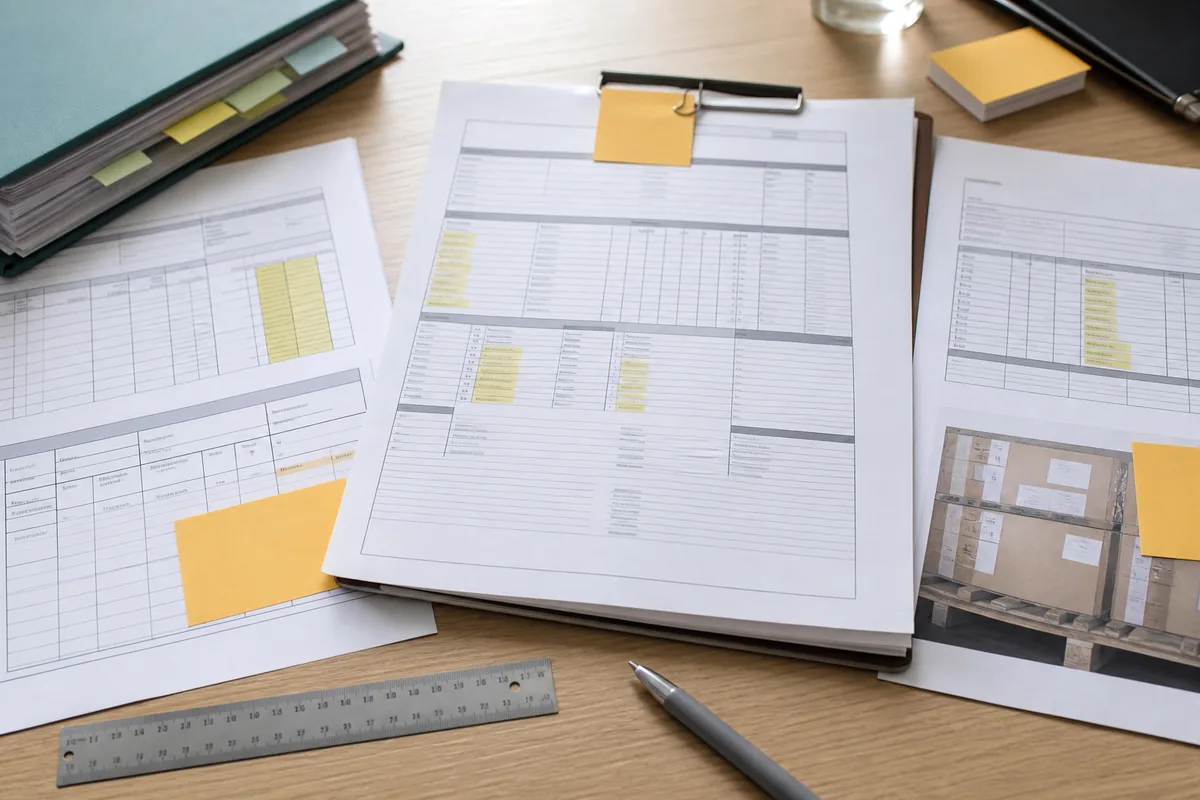
Customer claim photos should be tied to batch, carton, SKU, and shipment records before supplier recovery.

What to check in the order file

Customer Claim Uses Photo From Different Batch starts when a buyer notices a customer claim photo that does not show the current batch clearly. The order may still look normal, but customer claim photo from different batch changes what another person will need to prove later.

For customer claim photo from different batch, the first pass should stay close to the documents. Compare customer photo, lot number, carton label, sales order, shipment record, inspection photos, and supplier claim note.

A customer may send a useful defect photo without showing carton code or purchase date. The buyer needs one plain sentence: whether the claimed defect belongs to the supplier batch under review.

The control question is narrow: can the buyer connect the photo to a batch before asking supplier for credit?

When customer claim photo from different batch affects value, beneficiary, carton count, origin wording, product description, freight charge, or claim credit, attach the buyer's decision to the commercial file.

Before the file closes, write the customer claim photo from different batch decision beside the document that controls the next step.

Customer claim photos should be tied to batch, carton, SKU, and shipment records before vendor recovery. Another member of the team should be able to verify the answer from the file before claim acceptance, credit, replacement, or file closure. Put that result in the customer claim batch note for the current PO.

Make the decision before the next handoff

Open the customer or warehouse evidence, SKU and batch link, receiving record, supplier response, warranty term, and proposed credit or replacement together. Mark the first changed field and save the earlier version beside the document the purchasing team plans to use. The comparison should show who supplied the revision, when it arrived, and which order step depends on it. Record the outcome with the batch evidence evidence before handoff.

Familiar commercial explanations can hide a real mismatch. Ask which company, document, quantity, model, payment, or shipment the answer covers, and record when the answer applies only to this order. Keep the supporting file beside the supplier recovery entry in the order folder.

Assign the file to customer service, quality, and the person negotiating the supplier remedy. The owner does not need every chat message, but does need the final document, supplier answer, buyer decision, and next checkpoint. Name this point in the customer claim closeout rather than leaving it in chat.

The unresolved risk is that the purchasing team may lose the link between the reported problem and the supplier shipment that should answer for it. State whether the exception covers one shipment, one payment, one model, or the wider supplier relationship. A one-order decision should not silently become standing sign-off. Put that result in the customer claim batch note for the current PO.

Use the checklist as a closing test: save the earlier document version, name the changed field, tie the decision to po or invoice, and assign the next owner. Record who completed each step and save the evidence beside the document it supports instead of leaving a general note that the supplier was checked. Carry the result into the supplier recovery instruction used by the next team.

Give the exception an end point, such as receipt of a corrected document, payment confirmation, inspection, broker acceptance, warehouse receipt, or claim settlement. Make this result visible in the customer claim decision record.

Close the record for the next order

Public guidance can frame the customer claim check, but it cannot establish the facts of this order. The order owner's PO, invoice, beneficiary record, packing list, product evidence, broker reply, and shipment file remain the deciding records. Attach the evidence to the batch evidence version that now controls the order.

If the issue returns, begin with the prior note. It should show which document to request first and which assumption caused the earlier delay. Record the outcome with the customer claim batch evidence before handoff.

Retain the revision path visible. The folder should show which version was rejected, which version controls, and whether anyone outside sourcing still holds an obsolete copy. The next reviewer should find the answer under customer claim without reopening the whole case.

Record one of three outcomes: approve, approve with a stated condition, or hold. Name the evidence supporting that outcome and the event that would force the purchasing team to reconsider it. Make this result visible in the batch evidence decision record.

Send the controlling record to every team that will act on it. Approval is incomplete when finance, logistics, the warehouse, or the broker continues from an older version. The supplier recovery file should show how this point was resolved.

When the same exception affects several orders, add the field to the supplier baseline. Repeated problems belong in onboarding, PO wording, inspection scope, payment sign-off, or broker instructions. The customer claim batch file should show how this point was resolved.

Working checklist

  • Keep the earlier document version.
  • Name the changed field.
  • Tie the decision to PO or invoice.
  • Assign the next owner.
  • Store proof beside the final file.

Sources used for this guide